Free delivery · Pay on delivery

Author: Ijaz ul Haq

  • Best Olive Oil in Saudi Arabia: Price, Grades and Buying Tips

    Best Olive Oil in Saudi Arabia: Price, Grades and Buying Tips

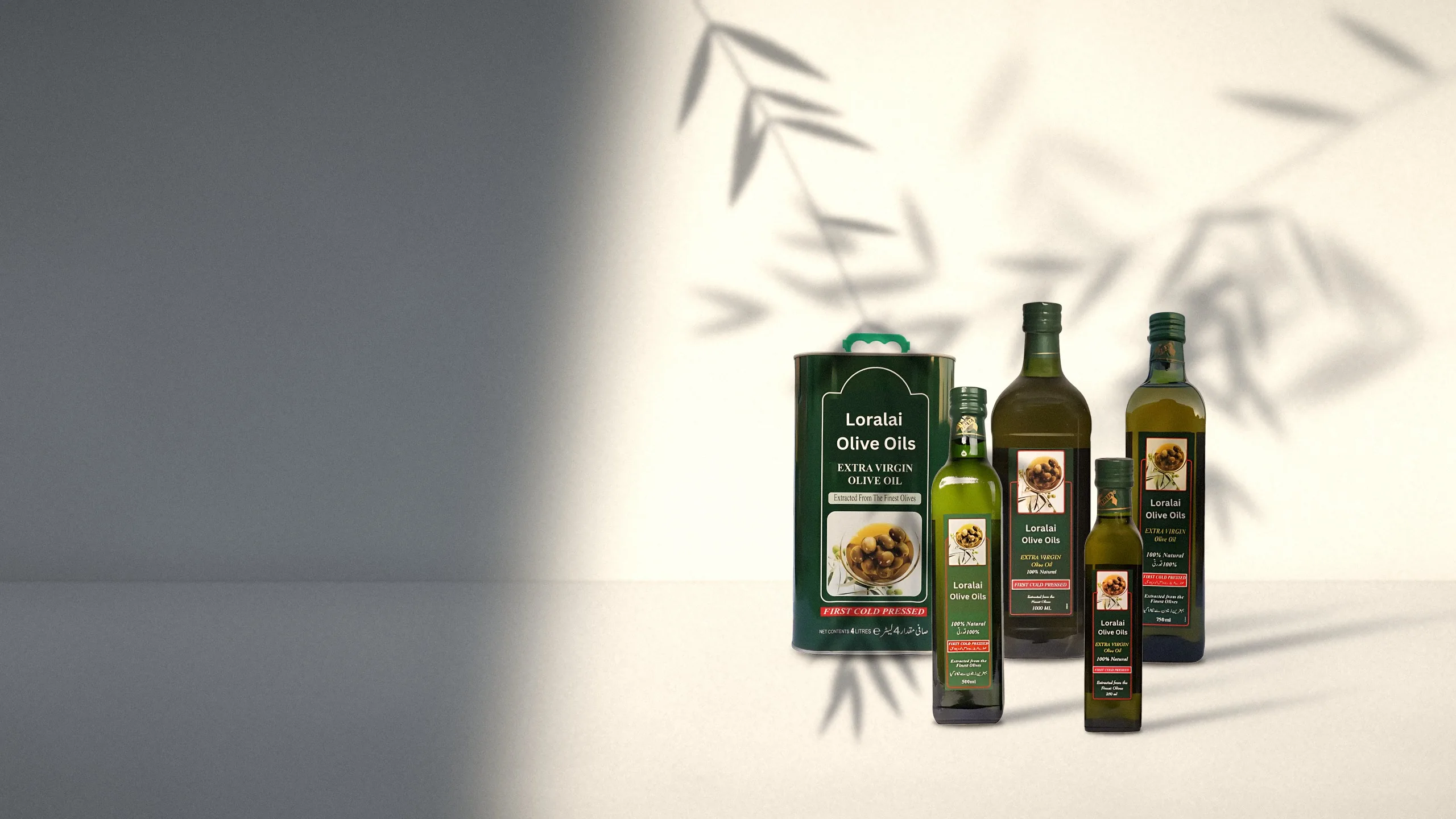
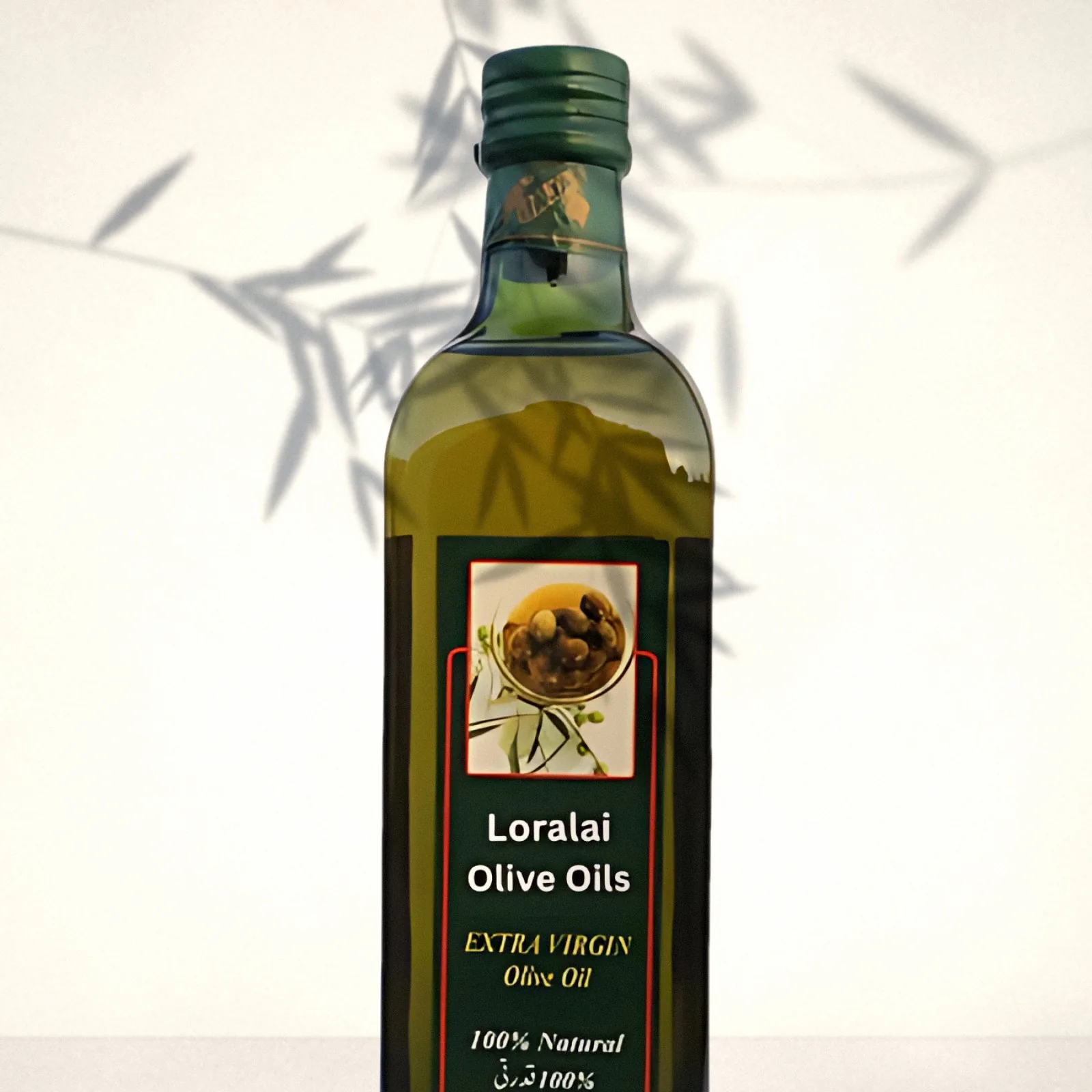
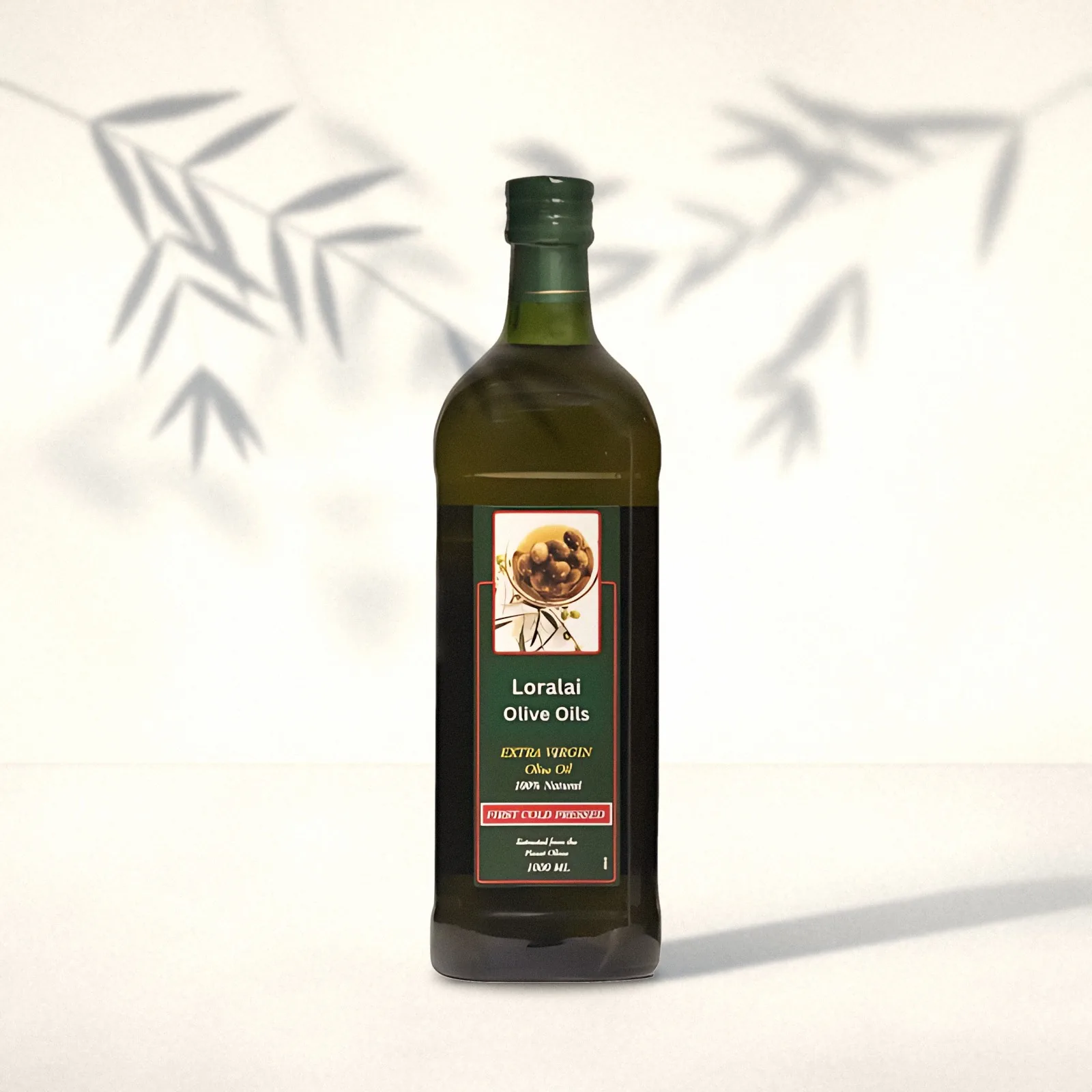
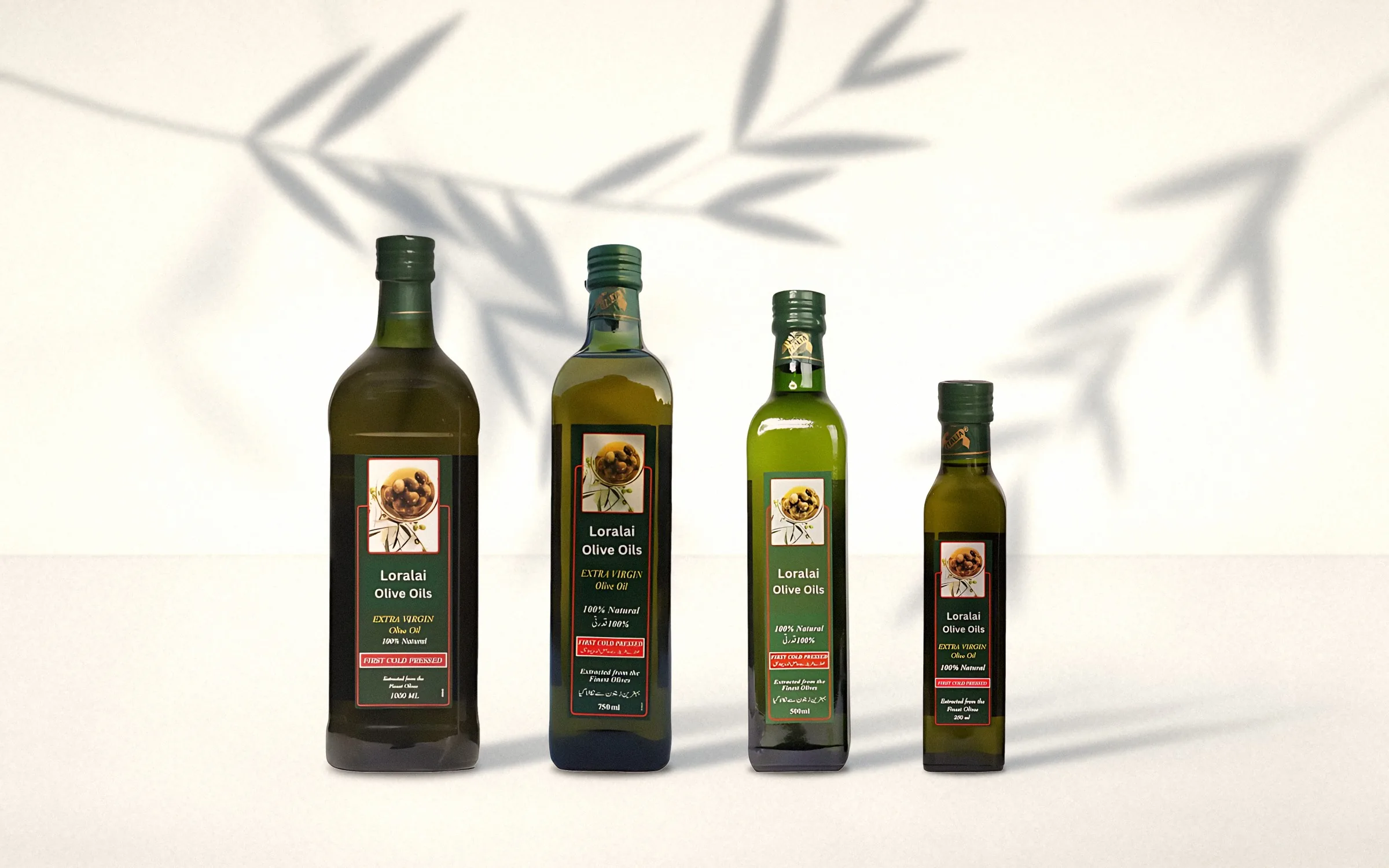
    Quick answer: The best olive oil in Saudi Arabia for everyday use is a fresh extra virgin olive oil (زيت زيتون بكر ممتاز) with a clear grade, a harvest or best before date, dark glass and full origin details. Our Loralai extra virgin olive oil costs SAR 145 for 1 litre, SAR 119 for 750 ml, SAR 92 for 500 ml and SAR 59 for 250 ml, delivery included, with cash on delivery.

    Olive oil is part of daily life in the Kingdom, from a drizzle over hummus and ful to za’atar with fresh bread at breakfast. Saudi Arabia is one of the largest olive oil markets in the Middle East, and in December 2022 it became a member of the International Olive Council. With so many bottles on the shelves in Riyadh, Jeddah and Dammam, it helps to know what the label really means, what a fair price looks like in riyals and how to keep the oil fresh in the heat.

    Olive oil price in Saudi Arabia: what you are paying for

    Olive oil prices in Saudi Arabia depend mostly on the grade, then on the bottle size, the packaging and how fresh the oil is. Extra virgin olive oil is the top grade. It is made only by crushing fresh olives and separating the oil mechanically, with no chemicals or refining, so it costs more to produce than refined or “pure” olive oil.

    Here are our own prices for Loralai extra virgin olive oil in Saudi Arabia, with the price per litre so you can compare sizes fairly:

    Bottle sizePrice in Saudi ArabiaPrice per litre
    1 litreSAR 145SAR 145
    750 mlSAR 119about SAR 159
    500 mlSAR 92SAR 184
    250 mlSAR 59SAR 236

    Delivery is included in every price and you can pay cash on delivery. A large bottle gives the lowest price per litre, but a smaller bottle can be the better buy if you use olive oil only now and then, because the oil stays fresher when you finish it within a few months of opening.

    Olive oil in Arabic: the label words that matter

    Many bottles in Saudi shops carry the grade in both English and Arabic. Gulf rules for edible olive oil and olive pomace oil are set out in the GCC standard GSO 1019, and the grade names follow the same idea as the international standard. These are the words to look for:

    English on the labelArabic on the labelWhat it means
    Extra virgin olive oilزيت زيتون بكر ممتازTop grade, pressed from fresh olives, no defects, very low acidity
    Virgin olive oilزيت زيتون بكرPressed mechanically, but with small flavour defects allowed
    Olive oil (pure, classic)زيت زيتونA blend of refined olive oil with some virgin oil
    Light olive oilزيت زيتون خفيفRefined blend, light in flavour, not lower in calories
    Olive pomace oilزيت ثفل الزيتونExtracted from the leftover olive paste with solvents, then refined

    If the label says only “olive oil” or “pure olive oil”, it is not extra virgin. Read more about each grade in our guide to types of olive oil and our explainer on pomace olive oil.

    How to choose the best olive oil in Saudi Arabia

    “Best” means the right grade for your use, at its freshest. Use this checklist in the shop or online:

    1. Grade: choose “extra virgin” (بكر ممتاز) for salads, dips, dates and most home cooking.
    2. Date: look for a harvest date or a best before date. Extra virgin oil tastes best when it is fresh, so pick the newest date you can find.
    3. Packaging: dark glass or a tin protects the oil from light. Avoid clear bottles that have been sitting under bright shop lights.
    4. Origin: a named country, and ideally a region or farm, is a good sign. Vague words such as “packed in” or “blend of oils from several countries” tell you less.
    5. Producer details: an original bottle shows the producer or importer, batch number and contact details.
    6. Smell and taste: good extra virgin oil smells fresh and green and tastes slightly bitter or peppery at the back of the throat. A flat, greasy or musty taste is a warning sign.

    Our step-by-step guide on how to tell if olive oil is real explains these checks in more detail.

    How to spot original olive oil in Saudi Arabia

    A low price on a bottle labelled extra virgin is the first warning sign, because real extra virgin oil is expensive to make. Other signs to watch for:

    • No grade at all, or the word “virgin” used loosely without “extra”.
    • No dates on the bottle, or a best before date that is very far in the future.
    • Unclear origin or no producer or importer name.
    • Very pale, odourless oil sold as extra virgin. Real extra virgin oil can be green or golden, but it always has some fruity smell.

    The fridge test, where you chill oil to see if it goes cloudy, is not a reliable way to check purity. Some real extra virgin oils go cloudy quickly and others stay clear. A smell and taste check, together with a trusted seller, tells you much more.

    How to store olive oil in the Saudi heat

    Heat, light and air are the three things that make olive oil go stale. In a hot climate this matters even more:

    • Keep the bottle in a cool, dark cupboard, away from the stove and the oven.
    • Never leave olive oil in a parked car in summer, even for a short time.
    • Close the cap tightly after every use.
    • Buy a size you can finish within two to three months of opening.
    • You can keep oil in the fridge in very hot months. It may turn cloudy or thick, which is normal, and it turns clear again at room temperature.

    See our full guide on how to store olive oil for more tips.

    Using extra virgin olive oil in Saudi and Gulf cooking

    Extra virgin olive oil works well in many dishes you already cook at home:

    • Breakfast: pour it over ful medames, labneh or eggs, or mix it with za’atar for dipping bread.
    • Mezze: finish hummus, mutabbal and fattoush with a good drizzle.
    • Cooking: use it for sauteing onions and vegetables, roasting chicken or fish and shallow frying. Fresh extra virgin olive oil is stable enough for normal home cooking temperatures.
    • Ramadan: add it to lentil soup, salads and grilled dishes for iftar and suhoor.

    Our guide to cooking with extra virgin olive oil answers common questions about heat and frying.

    Why we bring olive oil from Loralai to Saudi Arabia

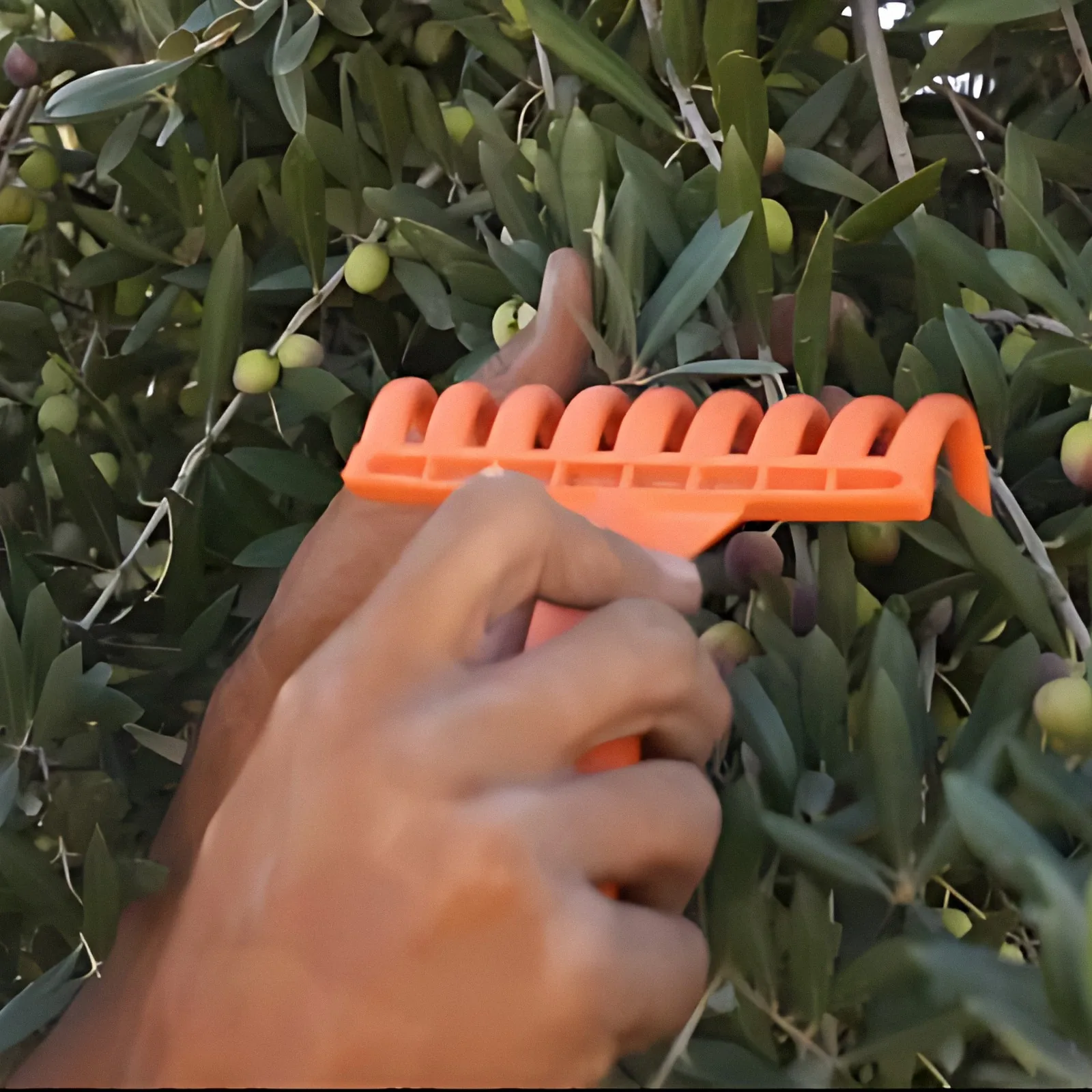
    Loralai Olive Oils is our own family brand. The olives come from our orchard near Loralai in Balochistan, Pakistan, where hot days and cool nights suit olive trees. We harvest by hand, press the olives soon after picking and bottle only extra virgin oil in dark glass. You can see the full range in our shop or start with the 1 litre extra virgin olive oil, which gives the best price per litre. If you also buy for family in the Emirates, see our guide to olive oil prices in the UAE.

    Frequently asked questions

    What is the price of 1 litre olive oil in Saudi Arabia?

    It depends on the grade and brand, and refined or “pure” olive oil costs less than extra virgin. Our Loralai extra virgin olive oil costs SAR 145 for 1 litre in Saudi Arabia, delivery included, and you can pay cash on delivery.

    Which olive oil is best in Saudi Arabia?

    For most homes, the best choice is a fresh extra virgin olive oil in dark glass with a harvest or best before date and a clear origin. Use it for salads, dips and everyday cooking, and finish the bottle within a few months of opening.

    What is olive oil called in Arabic?

    Olive oil is zayt al-zaytun (زيت الزيتون) in Arabic. Extra virgin olive oil is written زيت زيتون بكر ممتاز on many labels, and virgin olive oil is زيت زيتون بكر.

    How can I check if olive oil is original in Saudi Arabia?

    Check that the label says extra virgin, shows a date, names the producer and origin, and comes in dark glass or a tin. Good extra virgin oil smells fresh and fruity and tastes a little bitter or peppery. A very low price is a warning sign.

    Is extra virgin olive oil good for cooking in hot countries?

    Yes. Fresh extra virgin olive oil is fine for sauteing, roasting and shallow frying at normal home temperatures. In a hot climate, the bigger concern is storage: keep the bottle cool and dark so it stays fresh.
    Sources

  • Olive Oil Price in UAE and How to Pick an Original Bottle

    Olive Oil Price in UAE and How to Pick an Original Bottle

    Quick answer: In the UAE, a 1 litre bottle of genuine extra virgin olive oil usually costs more than refined or “pure” olive oil, because it is the top grade and is made only by pressing fresh olives. Our Loralai extra virgin olive oil costs AED 145 for 1 litre, AED 119 for 750 ml, AED 92 for 500 ml and AED 59 for 250 ml, with free delivery and cash on delivery. To pick an original bottle, check the grade, harvest date, dark glass and a clear origin.

    Shelves in Dubai, Abu Dhabi and Sharjah are full of olive oil from many countries. The labels look similar, but the oil inside can be very different. This guide explains what a fair price looks like in AED, how to compare bottles of different sizes, and the simple checks that help you buy original extra virgin olive oil in the UAE.

    Olive oil price in UAE: what you pay for

    The price of olive oil in the UAE depends on three things: the grade, the bottle size and how the oil reached the shelf. Extra virgin is the highest grade. It is cold extracted from fresh olives with no chemicals and no heat treatment, so it keeps its natural taste and antioxidants. “Olive oil”, “pure olive oil” and “light olive oil” are mostly refined oil with a little virgin oil added, which is why they cost less. Pomace oil is cheaper still. You can read the full difference in our guide to types of olive oil.

    Here are our prices in the UAE. Every price includes delivery, and you pay in cash when the bottle arrives.

    BottlePrice (AED)Price per litre (AED)
    1 litre145145
    750 ml119about 159
    500 ml92184
    250 ml59236

    All four sizes are the same extra virgin olive oil from our own orchard near Loralai, Balochistan. You can see them all in our shop, or go straight to the 1 litre bottle, which gives the lowest price per litre.

    Compare price per litre, not price per bottle

    A small bottle can look cheap and still cost much more per litre. Before you compare two brands, divide the bottle price by its size in litres. For example, AED 59 for 250 ml is AED 236 per litre, while AED 145 for 1 litre is AED 145 per litre.

    Also compare the same grade. A 1 litre bottle of “pure olive oil” is not a fair comparison with a 1 litre bottle of extra virgin, because refined oil costs far less to make. If one extra virgin bottle is much cheaper than every other one on the shelf, ask why.

    How to pick an original olive oil bottle in the UAE

    No label can prove purity on its own, but these checks remove most of the risk:

    1. Grade: the label should say “extra virgin olive oil”. Words like “pure”, “light” or “classic” mean a refined blend.
    2. Harvest date or best before date: olive oil is best within about 18 months of bottling. A harvest date is a good sign that the producer is open about freshness.
    3. Dark glass or tin: light damages olive oil. Avoid clear plastic bottles that have been under bright shop lights for months.
    4. Clear origin: the label should name the country, and ideally the region or farm, where the olives grew. “Packed in” is not the same as “grown in”.
    5. Producer details: a real company name, address and batch number.
    6. Taste and smell at home: fresh extra virgin oil smells green, like cut grass or fresh olives, and often leaves a peppery feeling in the throat. A flat, greasy or crayon-like smell suggests old or low grade oil.

    Our guide on how to tell if olive oil is real explains these checks in more detail, including why the fridge test is not reliable.

    What makes olive oil “extra virgin”

    The International Olive Council (IOC) sets the trade standard used by many countries. To be called extra virgin, an olive oil must pass both lab tests and a taste test by a trained panel. The main limits are:

    TestExtra virgin limitWhat it shows
    Free acidity0.8% or lessHealthy, fresh olives, processed quickly
    Peroxide value20 meq O2/kg or lessLow oxidation
    Sensory defectszeroNo rancid, musty or fusty taste
    Fruitinessmust be presentReal olive flavour

    These results come from a lab report, not from the bottle itself. A serious producer can share the acidity result of each harvest. Our page on what extra virgin olive oil is explains each test in simple words.

    Why fake or mislabeled olive oil is a real problem

    Mislabeling is a global issue, not only a UAE one. A well known 2010 study by the UC Davis Olive Center tested imported olive oils sold as extra virgin in California and found that 69% failed the international sensory standard for extra virgin. Common reasons were oxidation, poor quality olives and blending with cheaper refined oil.

    The lesson for buyers in the UAE is simple: very low prices, no harvest date, clear plastic bottles and vague origin are all warning signs. Buying from a producer who grows and presses the olives makes it much easier to know what you are getting.

    Best olive oil in UAE for everyday use

    The best olive oil for most UAE kitchens is a fresh extra virgin olive oil that you will finish within a few months of opening. You can use it for salads, hummus, labneh and dips, and also for everyday cooking and shallow frying. Extra virgin olive oil is more stable under heat than many people think, as we explain in our guide to cooking with extra virgin olive oil.

    If you use olive oil every day, the 1 litre bottle gives the best value. If you want to try the taste first, start with 250 ml. Once opened, close the cap tightly and keep the bottle away from the stove and sunlight. Our olive oil storage guide has more tips for hot climates like the UAE.

    Why our oil comes from Pakistan

    Our olives grow in our own orchard near Loralai in Balochistan, where hot days and cool nights suit olive trees. We harvest by hand, press the fruit quickly and bottle the oil ourselves, so we know every step from tree to bottle. You can read the full story in olive oil from Pakistan. For buyers in Dubai, Abu Dhabi and the rest of the UAE, this means a single origin oil with a clear source, delivered free with cash on delivery. Buying for family in Riyadh or Jeddah too? See our guide to the best olive oil in Saudi Arabia.

    Frequently asked questions

    What is the price of 1 litre olive oil in UAE?

    It depends on the grade and brand. Refined or “pure” olive oil costs less than extra virgin. Our Loralai extra virgin olive oil costs AED 145 for 1 litre, including delivery, and you pay cash on delivery.

    How can I check if olive oil is original in the UAE?

    Look for the words “extra virgin”, a harvest or best before date, dark glass or tin, a named country or region of origin and full producer details. At home, fresh extra virgin oil should smell green and fruity and taste slightly bitter or peppery.

    Which olive oil is best in UAE for cooking?

    Fresh extra virgin olive oil works well for most home cooking, including sauteing and shallow frying, as well as salads and dips. Choose a bottle you will finish within a few months of opening so the flavour stays fresh.

    Is cheap olive oil in Dubai fake?

    Not always, but a very low price is a warning sign for extra virgin oil, because real extra virgin costs more to produce. Cheap bottles are often refined or pomace oil, which is legal if the label says so. Problems start when cheaper oil is sold as extra virgin.

    Do you deliver olive oil in the UAE with cash on delivery?

    Yes. We deliver all four bottle sizes across the UAE with free delivery, and you pay in cash when your order arrives. Prices are shown in AED in our shop.

    Sources

  • Zaitoon Ka Tel: Fayde, Istemal aur Price (Roman Urdu Guide)

    Zaitoon Ka Tel: Fayde, Istemal aur Price (Roman Urdu Guide)

    Quick answer: Zaitoon ka tel (olive oil) sab se zyada faida tab deta hai jab aap isay khane mein ghee, makhan ya dalda ki jagah istemal karein. Research mein roz taqreeban 1.5 se 2 chamach (20 se 25 ml) extra virgin zaitoon ka tel dil ki sehat se juda hai. Malish aur baalon ke liye bhi acha hai, magar newborn bachon ki malish ke liye doctor se poochein.

    Pakistan mein zaitoon ka tel har ghar mein jaana pehchana naam hai. Koi isay malish ke liye rakhta hai, koi baalon ke liye, aur ab bohat se log isay khane mein bhi istemal karte hain. Is guide mein hum seedhi baat karenge: zaitoon ka tel kya hai, is ke asli fayde kya hain jo research se sabit hain, isay kaise aur kitna istemal karein, asli tel kaise pehchanein, aur aaj kal is ki price kya hai. Hum Loralai, Balochistan mein apne bagh se zaitoon ka tel nikalte hain, is liye yeh maloomat apne tajurbe aur research dono se di gayi hai.

    Agar aap sirf naam aur Urdu matlab dhoond rahe hain to hamari guide olive oil meaning in Urdu parhein.

    Zaitoon ka tel kya hai?

    Zaitoon ka tel zaitoon ke phal ko pees kar aur daba kar nikala jata hai. Yeh beej ka tel nahi, phal ka ras hai, bilkul jaise santre ka juice. Is ki teen bari qismein bazaar mein milti hain:

    QismKaise banta haiKis kaam ke liye
    Extra virgin (sab se aala)Taaza zaitoon ko sirf daba kar, baghair garmi aur chemical keKhana, salad, peena, baal, jild
    Pure / classic olive oilRefined tel jis mein thora sa virgin tel milaya jata haiAam khana pakana
    Pomace oilBachi hui khali se chemical ke zariye nikala gaya telTalne, sabun aur sasti malish

    Fayde zyada tar extra virgin tel mein hote hain, kyun ke refine karne se is ke qudrati ajza (polyphenols) kaafi had tak khatam ho jate hain. Tafseel types of olive oil aur pomace olive oil mein hai.

    Zaitoon ke tel ke fayde jo research se sabit hain

    Internet par zaitoon ke tel ke sau fayde likhe milte hain. Hum sirf wo bata rahe hain jin ke peeche achi research hai.

    1. Dil ki sehat: Spain mein 7,000 se zyada logon par PREDIMED naam ki bari study hui. Jin logon ke khane mein extra virgin zaitoon ka tel shamil kiya gaya, un mein dil ke dauray, stroke aur dil ki wajah se maut ka khatra un logon se kam tha jinhein kam chiknai wali aam diet di gayi.
    2. Ghee aur dalda ka behtar mutabadil: Is tel mein zyada tar monounsaturated fat hota hai. America ki FDA ke mutabiq roz taqreeban 1.5 chamach (20 g) aise tel ko saturated fat (ghee, makhan) ki jagah istemal karna dil ki bimari ka khatra kam kar sakta hai. Shart yeh hai ke tel badla jaye, mazeed na barhaya jaye.
    3. Polyphenols: European Union ne sirf aik claim manzoor kiya hai: zaitoon ke tel ke polyphenols khoon mein chiknai (LDL) ko oxidation se bachane mein madad karte hain, jab roz 20 g aisa tel liya jaye jis mein yeh kaafi miqdar mein hon. Yeh sirf achay extra virgin tel mein hota hai.
    4. Pakane mein mazboot: Lab test mein das aam tel 180 darje par chhe ghante garam kiye gaye. Extra virgin zaitoon ke tel ne sab se kam nuqsan deh ajza banaye. Is liye isay roz ke salan aur halki talai mein istemal kiya ja sakta hai. Dekhein best olive oil for cooking.

    Zaitoon ka tel koi dawa nahi. Shugar, blood pressure ya kisi aur bimari mein apni dawa aur doctor ki hidayat par chalein. Mukammal English guide: olive oil benefits.

    Zaitoon ka tel peene ke fayde: roz kitna lein?

    Bohat se log subah khali pet aik chamach zaitoon ka tel peete hain. Research mein jo miqdar istemal hui wo yeh hai:

    MiqdarCaloriesKahan se
    1 chamach (15 ml)taqreeban 119USDA nutrition data
    1.5 chamach (20 g)taqreeban 177FDA aur EU ke claims
    2 chamach (30 ml)taqreeban 240

    Kuch zaroori baatein:

    • Peena zaroori nahi. Wohi tel salad, daal, roti ya salan par daal kar khana bhi utna hi faida deta hai.
    • Aik chamach mein taqreeban 119 calories hain. Agar aap wazan kam kar rahe hain to doosri chiknai kam karein, warna calories barh jayengi. Dekhein olive oil calories.
    • Kuch logon ko khali pet tel peene se dast ya pait mein bojh mehsoos hota hai. Aisa ho to khane ke saath lein.
    • Peene ke liye hamesha extra virgin tel lein. Pomace ya refined tel peene ke liye nahi banta.

    Malish ke liye zaitoon ka tel

    Zaitoon ka tel malish ke liye Pakistan mein sadiyon se istemal ho raha hai. Yeh garhaa hai, jild par aasani se phelta hai aur jaldi khushk nahi hota.

    1. Thora sa tel (2 se 3 chamach) halka sa neem garam karein. Ungli se check karein ke zyada garam na ho.
    2. Haathon mein le kar lambay, narm stroke se malish karein, jodon par gol gol.
    3. 20 se 30 minute baad naha lein ya taulia se saaf kar lein.

    Bachon ke liye zaroori baat: Research mein dekha gaya ke zaitoon ka tel jild ki hifazati teh ko kamzor kar sakta hai. Is liye newborn bachon ki malish ke liye isay mashwara nahi diya jata, khaas kar agar jild khushk ho ya eczema ho. Bachon ki malish se pehle apne doctor se poochein. Mukammal tareeqa: olive oil for massage.

    Baalon ke liye zaitoon ka tel

    Zaitoon ka tel baalon ko narm aur chamakdar banata hai aur khushk baalon ke tootne ko kam kar sakta hai. Lekin yeh bhi sach hai ke baal ugane ke baare mein insanon par koi mazboot research nahi. Chuhon par aik study mein zaitoon ke patton ke aik juz ne baalon ki growth barhayi, magar yeh tel nahi tha aur insanon par test nahi hua.

    Istemal ka asaan tareeqa:

    • 1 se 2 chamach tel baalon ki lambai aur sar ki jild par lagayein.
    • 30 minute se 2 ghante rakhein, phir shampoo se dho lein. Raat bhar rakhna zaroori nahi.
    • Hafte mein 1 se 2 baar kaafi hai. Chikni jild ya danay hon to sar par kam lagayein.

    Tafseel ke liye olive oil for hair aur jild ke liye olive oil for skin dekhein.

    Asli zaitoon ka tel kaise pehchanein?

    Bazaar mein milawat wala tel aam hai. Fridge ya ungli wale ghar ke test bharose ke qabil nahi. Yeh cheezein dekhein:

    • Label par “Extra Virgin” likha ho, sirf “Pure” ya “Olive Oil” nahi.
    • Harvest ya bottling ki tareekh ho. Tel 18 se 24 mahine mein behtareen hota hai.
    • Gehri sabz ya bhoori botal ya tin ho. Saaf sheeshe ki botal mein tel roshni se kharab hota hai.
    • Zaiqa taaza ho, halki kadwahat aur gale mein halki si mirch jaisi chubhan ho. Yeh polyphenols ki nishani hai.
    • Bohat sasta tel aksar pomace ya milawat wala hota hai.

    Poori list: how to tell if olive oil is real.

    Zaitoon ke tel ki price (Pakistan, UAE aur Saudi Arabia)

    Hamare Loralai ke bagh ke extra virgin zaitoon ke tel ki price yeh hai. Delivery free hai aur payment cash on delivery hai.

    SizePakistanUAESaudi ArabiaPakistan mein fi litre
    1 litreRs 6,000AED 145SAR 145Rs 6,000
    750 mlRs 5,000AED 119SAR 119Rs 6,667
    500 mlRs 3,500AED 92SAR 92Rs 7,000
    250 mlRs 2,500AED 59SAR 59Rs 10,000

    Agar ghar mein roz khane mein istemal karna hai to 1 litre sab se sasta parta hai. Sirf malish ya baalon ke liye 250 ml kaafi hai. Saare products shop par hain, aur mukammal price guide olive oil price in Pakistan mein hai.

    Zaitoon ka tel kaise sambhal kar rakhein?

    • Thandi aur andheri jagah rakhein, choolhay ke paas nahi.
    • Istemal ke baad dhakkan foran band karein.
    • Khulne ke baad 2 se 3 mahine mein istemal karna behtar hai.
    • Fridge zaroori nahi. Fridge mein tel garhaa ho jata hai, yeh nuqsan nahi.

    Tafseel: how to store olive oil.

    Frequently asked questions

    Kya zaitoon ka tel roz pee sakte hain?

    Haan, zyada tar sehatmand log roz 1 se 2 chamach extra virgin zaitoon ka tel le sakte hain. Peena zaroori nahi, khane mein dalna bhi utna hi faida deta hai. Calories ka khayal rakhein aur koi bimari ho to doctor se poochein.

    Zaitoon ka tel khali pet peene se kya hota hai?

    Is par koi khaas research nahi ke khali pet peena khane ke saath lene se behtar hai. Faida roz ki miqdar se aata hai, waqt se nahi. Kuch logon ko khali pet tel se pait mein takleef hoti hai, aisa ho to khane ke saath lein.

    Kya zaitoon ka tel baal ugata hai?

    Insanon par aisi koi mazboot research nahi jo sabit kare ke zaitoon ka tel naye baal ugata hai. Yeh baalon ko narm karta hai aur khushk baalon ka tootna kam kar sakta hai. Baal girne ki wajah jaanne ke liye skin doctor se milein.

    Kya zaitoon ke tel mein khana paka sakte hain?

    Haan. Extra virgin zaitoon ka tel roz ke salan, sabzi, anday aur halki talai ke liye theek hai. Lab tests mein yeh garmi mein doosre aam tel se zyada mazboot nikla. Bohat zyada der tak gehri talai ke liye sasta tel bhi chal jata hai.

    Kya newborn bache ki malish zaitoon ke tel se kar sakte hain?

    Research ke mutabiq zaitoon ka tel jild ki hifazati teh ko kamzor kar sakta hai, is liye newborn bachon ki malish ke liye isay mashwara nahi diya jata. Bache ki jild par koi bhi tel lagane se pehle doctor se poochein.

    Asli zaitoon ka tel kitne ka milta hai?

    Price size, grade aur brand ke hisaab se badalti hai. Hamare Loralai ke bagh ka extra virgin 1 litre Rs 6,000 aur 250 ml Rs 2,500 ka hai, free delivery aur cash on delivery ke saath. Mukammal guide olive oil price in Pakistan wale page par hai.

    Sources

  • Olive Oil Polyphenols Explained: What They Are and How to Get More

    Olive Oil Polyphenols Explained: What They Are and How to Get More

    Quick answer: Polyphenols (also called phenols or phenolic compounds) are natural antioxidants found in extra virgin olive oil. They give fresh oil its bitter and peppery taste. Refined olive oil has very few because refining removes them. The amount varies a lot from oil to oil: it is highest in fresh oil pressed from greener, early-harvest olives and falls as the oil ages. The EU allows a health claim only for olive oils with at least 5 mg of hydroxytyrosol and its derivatives per 20 g of oil.

    “High polyphenol” is now printed on many premium bottles. But what are polyphenols, how much does an ordinary extra virgin olive oil contain, and what actually raises or lowers them?

    This guide explains the basics in plain language, sticks to what the research and the regulators actually say, and shows how to choose and keep an oil so you get the most from it.

    What are olive oil polyphenols?

    Polyphenols are a large family of plant compounds. Olives make them to protect themselves, and some pass into the oil when the fruit is crushed. The best known in olive oil are:

    • Hydroxytyrosol and tyrosol, and the larger molecules they are bound in (such as oleuropein and ligstroside derivatives).
    • Oleocanthal, which causes the peppery sting in the throat. A 2005 study in Nature found it has an anti-inflammatory action similar to ibuprofen in laboratory tests. That is a lab finding, not a reason to use olive oil as a medicine.
    • Oleacein, a close relative of oleocanthal and one of the main bitter compounds.

    Because these compounds are bitter and pungent, a fresh, high-phenol oil is usually easy to recognise by taste. See how to taste olive oil.

    Which olive oils contain the most?

    Type of oilRefined?Polyphenols
    Extra virgin olive oilNoHighest; varies widely between oils
    Virgin olive oilNoMedium
    Olive oil (pure / classic / light)Mostly refinedLow
    Pomace olive oilRefined, solvent extractedVery low

    Refining uses heat and filtering to remove flavour defects, and it removes most of the polyphenols at the same time. That is the main reason extra virgin olive oil is the grade worth paying for. Compare the grades in types of olive oil and pomace olive oil.

    What the EU health claim says

    The European Union allows only one health claim about olive oil polyphenols, in Regulation (EU) No 432/2012:

    • The wording: olive oil polyphenols contribute to the protection of blood lipids from oxidative stress.
    • It may be used only for an olive oil that contains at least 5 mg of hydroxytyrosol and its derivatives per 20 g of oil.
    • The label must explain that the benefit comes from a daily intake of 20 g (about 1.5 tablespoons) of that olive oil.

    Not every extra virgin olive oil reaches this level, and measuring it needs a laboratory. EU-funded researchers have noted that agreeing on a simple, standard test has been a challenge. So treat any “high polyphenol” claim on a label as meaningful only if the seller can show a lab result.

    For the wider evidence on olive oil and health, read our olive oil benefits guide, which separates strong evidence from weak claims.

    What raises or lowers polyphenols

    FactorEffect
    Olive ripeness at harvestGreener, earlier-harvest olives give more bitter, pungent, phenol-rich oil. As olives ripen, the oil becomes milder.
    Olive varietySome varieties are naturally much richer in phenols than others.
    Time from picking to pressingBruised or stored olives start to ferment and oxidise. Pressing the same day keeps quality higher.
    Processing temperatureExtraction without added heat protects the delicate compounds. See cold pressed vs extra virgin.
    RefiningRemoves most polyphenols.
    Light, heat and air after bottlingPolyphenols slowly break down as they protect the oil from oxidation. Old or badly stored oil has less.

    How to get more polyphenols from your oil

    • Buy extra virgin, not “pure” or “light”.
    • Check the harvest date and choose the most recent harvest you can find.
    • Choose dark glass or a tin, never clear plastic on a bright shelf.
    • Use an opened bottle within a few weeks to a couple of months, and close the cap after each use. Our guide on how to store olive oil explains why.
    • Taste it. A clear bitterness and a peppery finish are good everyday signs of a fresh, phenol-rich oil.
    • Use some of it raw, on salads, daal, hummus or bread. Cooking is fine too; see cooking with extra virgin olive oil.

    Our extra virgin olive oil

    We pick our olives by hand in September and October and press them on the same day, without heat or chemicals, which helps keep the natural polyphenols in the oil. We do not currently print a polyphenol figure on our label, because that needs a lab test for each harvest. Nothing is blended in. See 1 litre, 750 ml, 500 ml or 250 ml.

    Browse more topics in the olive oil guide.

    Frequently asked questions

    What are polyphenols in olive oil?

    They are natural antioxidant compounds from the olive fruit, such as hydroxytyrosol, tyrosol, oleocanthal and oleacein. They give fresh extra virgin olive oil its bitter and peppery taste.

    Does extra virgin olive oil have more polyphenols than regular olive oil?

    Yes. Regular or light olive oil is mostly refined, and refining removes most polyphenols. Extra virgin olive oil is unrefined, so it keeps them.

    What does high polyphenol olive oil mean?

    There is no single legal definition. The EU health claim needs at least 5 mg of hydroxytyrosol and its derivatives per 20 g of oil, so a high polyphenol label is most meaningful when backed by a lab test.

    Does cooking destroy olive oil polyphenols?

    Heat reduces them over time, so some are lost in cooking, but extra virgin olive oil still keeps more than refined oils. Using some oil raw gives you the full amount.

    How can I tell if my olive oil is high in polyphenols?

    Without a lab test you cannot know the exact figure, but clear bitterness and a peppery sting in the throat are good signs of a fresh, phenol-rich oil.

    Sources

  • How to Taste Olive Oil: Fruity, Bitter and Peppery Explained

    How to Taste Olive Oil: Fruity, Bitter and Peppery Explained

    Quick answer: Pour a spoonful into a small glass, cup it in your hand to warm it, then smell it. Take a small sip, draw in air through your teeth, and notice three things: fruitiness (fresh olive aroma), bitterness (on the back of the tongue) and pungency (a peppery catch in the throat). A good extra virgin olive oil smells fresh and green or ripe-fruity, and has no defects such as a musty, vinegary or stale-nut (rancid) smell.

    Tasting is the most useful quality check you can do at home. Labels and prices can mislead, but your nose and mouth tell you straight away whether an oil is fresh, tired or faulty.

    Professional tasters follow a method set by the International Olive Council (IOC). You do not need a lab to use the main ideas. This guide turns that method into simple steps you can follow in your kitchen.

    What you need

    • A small glass or cup. Official panels use a special tinted glass so the colour does not influence them. At home, any small, clean glass works.
    • About one tablespoon of oil (the IOC method uses 14 to 16 ml).
    • A slice of green apple and a glass of water to clean your mouth between oils.
    • A quiet moment without strong smells: no perfume, no cooking smells, and do not taste straight after coffee or a cigarette.

    If you compare several oils, taste no more than three or four at a time. Professional panels assess a maximum of four samples per session for the same reason: the senses tire quickly.

    Step-by-step: how to taste olive oil

    1. Pour. Put about a tablespoon of oil in the glass.
    2. Warm. Cover the glass with one hand and hold it in the other for a minute or two. The IOC method tests oil at 28 °C because aromas rise better when the oil is slightly warm.
    3. Swirl and smell. Uncover, swirl gently and take two or three slow sniffs. Ask yourself: is it fresh like cut grass, green leaves, tomato or green apple? Or ripe like almond and soft fruit? Or does something smell wrong?
    4. Sip. Take a small sip, about a teaspoon. Spread it around your whole mouth.
    5. Strip. With your lips almost closed, suck in a little air through the oil (it makes a slurping sound). This carries the aroma to the back of your nose.
    6. Swallow or spit, and wait. Notice any bitterness on the back of the tongue and any peppery sting in the throat. A cough is a good sign, not a bad one.
    7. Reset. Chew a piece of apple, rinse with water, and wait a minute before the next oil.

    The three good things to look for

    The IOC names three positive attributes. A good extra virgin olive oil shows fruitiness, and usually some bitterness and pungency as well.

    AttributeWhere you notice itWhat it tells you
    FruityNose, and the back of the nose while sippingAromas of sound, fresh olives. Green fruity: grass, leaf, artichoke, tomato. Ripe fruity: almond, banana, soft fruit.
    BitterBack of the tongueTypical of oil from green or turning olives. A clean bitterness is a sign of freshness.
    PungentThroat, a peppery stingTypical of early-season oil pressed from mostly unripe olives.

    Bitterness and pungency come mainly from natural phenolic compounds. One of them, oleocanthal, is the reason a fresh oil catches the back of the throat. Read more in our guide to olive oil polyphenols.

    Common defects and what causes them

    A defect is a smell or taste that should not be there. Under IOC rules, an oil with any defect at all cannot be called extra virgin.

    DefectWhat it smells or tastes likeUsual cause
    Fusty / muddy sedimentDamp, sweaty, like fermented olivesOlives piled up too long before pressing, or oil left on its sediment
    Musty / earthyMouldy, damp cellar, soilOlives stored in humid conditions, or picked up from the ground unwashed
    Winey / vinegaryWine, vinegar, nail-polishFermentation of the fruit with air
    Frostbitten (wet wood)Damp woodOlives damaged by frost on the tree
    RancidStale nuts, old crayons, putty, old oil paintOxidation: old oil, or oil kept in light, heat or an open bottle

    Rancid is the defect you are most likely to meet at home, because it develops after the bottle leaves the mill. See how to store olive oil to slow it down.

    What tasting can and cannot tell you

    • It can tell you if an oil is fresh, if it has a defect, and roughly how green or ripe the olives were.
    • It cannot prove the oil’s grade on its own. The legal grade also needs lab tests such as free acidity (0.8% or less for extra virgin).
    • Colour tells you very little. A green oil is not automatically better than a golden one; colour depends on the olive variety and ripeness. That is why panels use tinted glasses.
    • The fridge test is not reliable. We explain why in how to tell if olive oil is real.

    A simple home tasting score sheet

    Rate each oil from 0 (none) to 5 (strong). Write down any defect you notice.

    OilFruity (0-5)Bitter (0-5)Pungent (0-5)Defect noticed?Notes
    Oil A
    Oil B
    Oil C

    If an oil scores 0 on fruity, or you clearly notice a defect, it does not behave like extra virgin olive oil, whatever the label says.

    Our extra virgin olive oil

    Because our olives are picked by hand and pressed the same day, our oil tastes fresh and fruity, with a gentle bitterness and a light peppery finish. Nothing is blended in. See 1 litre, 750 ml, 500 ml or 250 ml.

    New to the subject? Start with what extra virgin olive oil is or browse the full olive oil guide.

    Frequently asked questions

    Why does good olive oil make you cough?

    The peppery sting in the throat is called pungency. It comes from natural phenolic compounds, mainly oleocanthal, and is typical of fresh oil from early-harvest olives. It is a positive quality sign.

    Should olive oil taste bitter?

    Some bitterness is normal and positive in fresh extra virgin olive oil, especially oil made from green olives. Bitterness felt on the back of the tongue is one of the three positive attributes in the IOC tasting method.

    What does rancid olive oil taste like?

    Rancid oil smells and tastes like stale nuts, old crayons or putty. It comes from oxidation, usually because the oil is old or was kept in light, heat or an open bottle.

    Can you tell the grade of olive oil just by tasting it?

    Tasting tells you if an oil is fresh or has defects, which rules out many bad oils. The official grade also needs lab tests, such as free acidity of 0.8% or less for extra virgin.

    Does the colour of olive oil show its quality?

    No. Colour depends on the olive variety and ripeness. A golden oil can be excellent and a bright green one can be poor, which is why professional tasters use tinted glasses.

    Sources

  • What Is Extra Virgin Olive Oil? Meaning, Standards and How to Recognise It

    What Is Extra Virgin Olive Oil? Meaning, Standards and How to Recognise It

    Quick answer: Extra virgin olive oil is the highest grade of olive oil. It is obtained only by mechanical means, crushing and pressing or spinning olives, without heat that alters the oil and without chemicals. It must have free acidity of 0.8% or less, pass other laboratory limits, and be judged by a trained taste panel to have a fruity taste and no defects at all.

    “Extra virgin” is not a marketing phrase. It is a legal grade with clear tests. Here is what it means and why it matters.

    The meaning of “virgin” and “extra”

    • Virgin means the oil came from olives by mechanical means only. Nothing was refined, and no solvents were used.
    • Extra means the oil passed the strictest quality level within the virgin grades: lowest acidity and a perfect score on taste.

    The three tests for extra virgin

    1. Free acidity: 0.8% or less

    Free acidity measures free fatty acids, expressed as oleic acid. It rises when olives are bruised, old, diseased or left too long before pressing. It is a sign of the health of the fruit and the care of the producer. It has nothing to do with a sour taste. The best extra virgin oils are often far below the 0.8% limit.

    2. Other laboratory tests

    These include peroxide value, which measures early oxidation, and ultraviolet absorption, which can reveal refined oil or old oil. There are also purity tests to detect other oils mixed in.

    3. The taste panel

    A panel of trained tasters scores the oil. To be extra virgin it must have:

    • Fruitiness greater than zero: the smell and taste of fresh olives
    • Defects of zero: no rancid, musty, fusty (fermented), winey or muddy notes

    Many good oils are also bitter and pungent. Bitterness is felt on the tongue, and pungency is the peppery catch in the throat. Both come from polyphenols and are signs of fresh, healthy oil, not faults.

    Extra virgin vs other olive oils

    Extra virginVirginOlive oil (pure/classic)
    RefinedNoNoMostly yes
    Free acidity0.8% or less2.0% or less1.0% or less
    Taste defects allowedNoneSmallRemoved by refining
    Natural polyphenolsHighestMediumLow

    Read the full comparison in types of olive oil.

    Why extra virgin matters for health

    Most of the studies that link olive oil with lower heart disease used extra virgin olive oil, including the PREDIMED trial. Refining removes most of the polyphenols and vitamin E. See olive oil benefits.

    How to recognise a good extra virgin olive oil

    1. The label says “extra virgin olive oil”, not just “olive oil”.
    2. There is a harvest date, or at least a best-before date.
    3. The origin is clear, ideally one country or region.
    4. The packaging is dark glass or a tin.
    5. The smell is fresh: grass, green apple, tomato leaf, herbs.
    6. The taste is fruity, with some bitterness and a peppery finish.

    Home tests such as putting oil in the fridge are not reliable. See how to tell if olive oil is real.

    What is EVOO? The short name on labels

    EVOO is simply the short form of extra virgin olive oil. You will also see it written as “extra-virgin olive oil” or, on many European bottles, as “olive oil extra virgin” because the grade comes after the product name. All of these mean the same legal grade: the top category set by the International Olive Council (IOC). “Virgin olive oil” without the word “extra” is a different, lower grade. It is still unrefined, but it may have acidity up to 2% and small taste defects, so it is not the same thing.

    What you see on the labelWhat it means
    Extra virgin olive oil / EVOOTop grade: mechanical extraction only, acidity 0.8% or less, zero taste defects
    Virgin olive oilUnrefined, acidity up to 2%, slight defects allowed
    Olive oil / pure olive oil / lightMostly refined olive oil blended with some virgin oil
    Organic extra virgin olive oilExtra virgin grade from olives grown under certified organic rules

    How to use extra virgin olive oil in everyday cooking

    Extra virgin olive oil is not only for salads. It is a full cooking oil, and the most common uses are simple.

    UseHowTip
    Salads and raw dishesMix 3 parts oil with 1 part lemon juice or vinegar, salt and pepperRaw use keeps the full fruity and peppery taste
    DrizzlingA spoon on dal, hummus, soup, grilled vegetables or breadAdd at the end, after cooking
    Sauteing and tarkaMedium heat for onions, garlic, eggs, vegetables and curriesDo not let the pan smoke
    Roasting and bakingBrush on vegetables or chicken, or use in place of butter in some cakesUse about three quarters of the butter amount
    MarinadesOil with yoghurt, garlic, lemon and spices for meat or fishThe oil helps spices coat the food evenly

    Good extra virgin olive oil can be used for normal home cooking at medium heat. Our guide to cooking with extra virgin olive oil explains heat, smoke point and frying in detail. Many people also use it on skin and hair; see olive oil for skin and olive oil for hair.

    Organic, cheapest or premium: what the label really tells you

    Organic describes how the olives were farmed, not the quality grade of the oil. In the EU, an organic logo means the farm follows Regulation (EU) 2018/848 and is inspected by a certification body. An organic oil can be extra virgin, virgin or even refined, so always look for both words: “organic” and “extra virgin”.

    The cheapest extra virgin olive oil is worth a second look. Growing, harvesting and pressing olives within hours costs real money, so a price far below other extra virgin oils can mean old stock, a blend with lower grades, or a mislabelled bottle. A fair way to compare is the price per litre, together with a harvest date and a dark bottle. Our olive oil price guide shows typical per litre prices, and how to tell if olive oil is real lists simple checks you can do at home.

    Premium extra virgin oils usually come from early harvest olives, carry a harvest date, and taste green, bitter and peppery because they contain more polyphenols.

    Our extra virgin olive oil

    Our oil comes from our own olive trees in Loralai, Balochistan. We pick by hand in September and October, press on the same day without heat or chemicals, and bottle in dark glass. Nothing is blended in. See 1 litre, 750 ml, 500 ml or 250 ml.

    Frequently asked questions

    What does extra virgin olive oil mean?

    It means the oil was made from olives by mechanical means only and passed the strictest chemical and taste standards, including free acidity of 0.8% or less and zero taste defects.

    What is the difference between olive oil and extra virgin olive oil?

    Extra virgin is unrefined and must meet strict quality tests. Plain “olive oil” is mostly refined oil blended with some virgin oil.

    Why is extra virgin olive oil bitter or peppery?

    Because of natural polyphenols such as oleocanthal. A peppery finish is a sign of fresh, high-quality oil.

    Is cold pressed the same as extra virgin?

    No. Cold pressed describes the temperature during extraction. Extra virgin is a grade that also requires lab and taste tests. See cold pressed vs extra virgin.

    Can extra virgin olive oil go bad?

    Yes. It slowly oxidises, especially with light, heat and air. Use it within about 18 months of harvest and two to three months after opening. See how to store olive oil.

    What is EVOO?

    EVOO stands for extra virgin olive oil, the highest grade of olive oil. It is made only by mechanical means, has free acidity of 0.8% or less and no taste defects.

    Why is it called virgin olive oil?

    “Virgin” means the oil comes straight from the olive fruit by crushing and pressing or spinning, without chemical refining. “Extra” means it also passed the strictest lab and taste tests.

    How do you use extra virgin olive oil?

    Use it raw on salads, dal, hummus and bread, and for everyday cooking at medium heat such as sauteing, tarka, roasting and baking. Keep the bottle closed and away from the stove.

    Is organic extra virgin olive oil better?

    Organic tells you how the olives were farmed. It does not guarantee freshness or taste. A fresh, well stored extra virgin oil with a recent harvest date matters more for quality.

    Are the benefits of extra virgin olive oil different for men?

    The main long term studies included men and women. In a 2022 Harvard study of more than 90,000 US adults, people who used more than half a tablespoon of olive oil a day had a lower risk of dying from heart disease than people who rarely used it, and swapping butter, margarine or mayonnaise for olive oil was linked to lower risk. It is a healthy fat, not a medicine.

    Sources

  • Olive Oil Uses: 30 Ways to Use Extra Virgin Olive Oil at Home

    Olive Oil Uses: 30 Ways to Use Extra Virgin Olive Oil at Home

    Quick answer: Olive oil is used for cooking (sautéing, frying, roasting, baking), raw on salads, dips and daal, as a pre-wash hair treatment, for massage, to soften dry heels, elbows and lips, to remove make-up, and around the home to condition wooden boards and loosen stuck zips. Extra virgin olive oil is the best grade for uses where you eat it raw or put it on your body.

    In the kitchen

    1. Salad dressing. Three parts olive oil, one part lemon juice or vinegar, salt and pepper.
    2. Drizzle over daal. A spoon of raw extra virgin olive oil on hot daal just before serving.
    3. Raita and dahi. Stir in a little olive oil with roasted cumin.
    4. Hummus and dips. Pour a pool of olive oil on top.
    5. Daal tarka. Fry cumin, garlic and chillies in olive oil.
    6. Salan and karahi. Cook onions and masala in olive oil instead of ghee. See best olive oil for cooking.
    7. Eggs. Fry or scramble eggs in olive oil on medium heat.
    8. Roasted vegetables. Toss potatoes, cauliflower or carrots in olive oil and roast.
    9. Shallow frying. Shami kebab, cutlets and fish.
    10. Paratha. Brush olive oil on parathas instead of ghee.
    11. Marinades. Mix with yoghurt, garlic and spices for chicken tikka or fish.
    12. Pasta. Toss with garlic, chilli and olive oil.
    13. Baking. Replace butter with olive oil in cakes and muffins, using about three quarters of the butter amount.
    14. Bread dip. Olive oil with a pinch of salt and za’atar or dried herbs.
    15. Popcorn. Pop corn in olive oil or drizzle it on top.

    For hair and beauty

    1. Pre-wash hair oil. Warm one to two tablespoons, apply to lengths and scalp, leave 30 minutes, shampoo twice. See olive oil for hair.
    2. Split ends. One drop on the ends of dry hair after washing.
    3. Hair mask. Mix with yoghurt or egg yolk.
    4. Dry heels. Rub in at night and wear cotton socks.
    5. Elbows and knees. A few drops after a bath.
    6. Lip care. A drop on dry lips, or mix with sugar for a gentle scrub.
    7. Make-up remover. A few drops on cotton, then wash your face.
    8. Cuticles. Rub into dry nail cuticles.
    9. Shaving. A thin layer helps the razor glide on legs.

    Note: olive oil is not ideal for everyone’s skin. Read olive oil for skin before using it on your face or on babies.

    For massage

    1. Body massage. Warm oil, long strokes towards the heart. See olive oil for massage.
    2. Foot massage. Before bed, with socks afterwards.
    3. Head massage. Fingertip circles on the scalp for five to ten minutes.

    Around the home

    1. Wooden chopping boards and spoons. Rub in a thin layer to stop them drying and cracking. Wipe off the excess.
    2. Stuck zips and squeaky hinges. A drop on a cotton bud.
    3. Removing stickers and glue. Rub olive oil on sticker residue, wait a few minutes, then wipe.

    Some people also use olive oil to polish leather or wooden furniture. Test a small hidden area first, because oil can darken some finishes.

    Which olive oil for which use?

    UseBest grade
    Eating raw, salads, dipsExtra virgin
    Everyday cookingExtra virgin
    Deep frying in bulkRefined olive oil or pomace oil
    Hair, skin, massageExtra virgin
    Wooden boards, zips, stickersAny olive oil

    Our 250 ml bottle is a good size to keep in the bathroom for hair and skin, and the 1 litre bottle suits the kitchen.

    Frequently asked questions

    What are the uses of extra virgin olive oil?

    Cooking, salads, dips, finishing dishes, hair treatments, massage, and softening dry skin on heels, elbows and lips.

    Can olive oil be used for everything?

    Almost. It is not ideal for very high-heat commercial deep frying on cost grounds, and it is not recommended for babies’ skin or people with eczema without medical advice.

    Can I use cooking olive oil on my hair?

    Yes, if it is extra virgin. It is the same oil.

  • How Olive Oil Is Made: 8 Steps From Tree to Bottle

    How Olive Oil Is Made: 8 Steps From Tree to Bottle

    Quick answer: Extra virgin olive oil is made in eight steps: the olives are harvested, washed, crushed into a paste, slowly mixed (malaxation), the oil is extracted by pressing or a centrifuge, separated from water, stored in sealed tanks, and bottled. No heat or chemicals are used. The whole process from picking to oil should take less than a day.

    We make our own oil in Loralai, Balochistan, so this is not theory for us. Here is each step, why it matters, and what can go wrong.

    1. Harvesting

    Olives are ready to pick when they start turning from green to purple. In Loralai that is September and October.

    • Early harvest (green olives) gives less oil, but it is greener, more bitter and peppery, and richer in polyphenols.
    • Late harvest (black olives) gives more oil with a softer, buttery taste and fewer polyphenols.

    We pick by hand, tree by tree, and take only the fruit that is ready. Picking by hand keeps the olives whole. Bruised or split olives start to ferment, which raises the acidity of the oil and spoils its taste. Many large farms use machines that shake the trees. That is faster, but it needs careful handling to avoid damage.

    2. Washing

    The olives are separated from leaves and twigs and washed in clean water to remove dust and soil. Leaves left in the mix make the oil taste bitter and grassy in the wrong way, and dirt gives a muddy taste.

    3. Crushing (milling)

    The washed olives, with skin, flesh and stones, are crushed into a thick paste. Traditionally this was done with large stone wheels. Today most mills use steel crushers, which are faster and easier to keep clean. The stones help to break open the cells that hold the oil.

    4. Malaxation (slow mixing)

    The paste is slowly stirred for a short time, usually 20 to 40 minutes. This lets the tiny drops of oil join into larger drops that are easier to separate. It is also when much of the aroma develops.

    Temperature matters here. To be called “cold extracted”, the paste must stay below 27 °C. Warmer paste gives more oil, but loses fresh aroma and antioxidants. We keep it cool.

    5. Extraction

    The oil is separated from the solids. There are two methods:

    • Pressing: the traditional way. The paste is spread on mats, stacked and pressed. This is where the phrase “cold pressed” comes from.
    • Centrifuge (decanter): the modern way. The paste is spun at high speed so the heavy solids, water and oil separate. It is cleaner and more consistent, and almost all extra virgin olive oil in the world is now made this way.

    Both methods are mechanical. No chemicals are used. The leftover paste, called pomace, can later be used to make olive pomace oil with solvents, but that is a different, lower product.

    6. Separation

    The liquid from extraction is mostly oil but still contains water and fine pieces of fruit. A second, vertical centrifuge separates the oil from the water. What comes out is fresh, cloudy olive oil, sometimes called “olio nuovo”.

    7. Storage and settling

    Fresh oil rests in closed stainless steel tanks so the fine particles sink to the bottom. The tanks protect the oil from air, light and heat, which are the three enemies of olive oil. Some producers also filter the oil to make it clear and more stable.

    We store our oil in sealed steel tanks away from light and fill bottles in small batches.

    8. Bottling and delivery

    The oil is bottled in dark glass or tins to keep the light out. Then it goes to customers. Every week in a warm warehouse or on a sunny shelf costs some freshness, so the shorter the time from tank to kitchen, the better.

    From olives to litres: how much fruit does it take?

    Olives contain roughly 15 to 25% oil, depending on variety, ripeness and climate. Not all of it can be extracted. In practice, it takes several kilograms of fresh olives to make one litre of oil, more in early harvest and less in late harvest. Balochistan olives are reported to have a high oil content of 18 to 22%.

    What makes it extra virgin?

    Following these steps does not automatically make an oil extra virgin. The finished oil must pass laboratory tests, including free acidity of 0.8% or less, and a taste panel must find no defects. Speed and care at every step are what get it there. See what is extra virgin olive oil.

    Frequently asked questions

    How is extra virgin olive oil made?

    By crushing fresh olives into a paste, slowly mixing it, and separating the oil with a press or centrifuge, without heat or chemicals. The oil must then pass acidity and taste tests.

    Is olive oil made with chemicals?

    Extra virgin and virgin olive oil are not. Refined olive oil is treated during refining, and pomace oil is extracted with solvents.

    How long does it take to make olive oil?

    The pressing itself takes a few hours. Good producers press olives within 24 hours of picking. We press on the same day.

    What is the difference between cold pressed and centrifuge?

    Both are mechanical. Pressing uses mats and pressure, a centrifuge uses spinning. Most modern extra virgin olive oil is made with a centrifuge. See cold pressed vs extra virgin.

    See where it all happens: our orchard in Loralai.

    Sources

  • Best Olive Oil in Pakistan: A Buyer’s Checklist for 2026

    Best Olive Oil in Pakistan: A Buyer’s Checklist for 2026

    Quick answer: The best olive oil in Pakistan is a fresh extra virgin olive oil with a clear origin and a recent harvest date, packed in dark glass or a tin, from a seller who tells you exactly where and when it was made. Price per litre, not price per bottle, is the fair way to compare. Imported and Pakistani oils can both be excellent. Freshness and grade matter more than the country.

    We make olive oil, so we are not neutral. Instead of a “top 10 brands” list, which no one can verify, here is the checklist we would use ourselves. Use it on any bottle, including ours.

    1. Check the grade

    Only extra virgin olive oil is unrefined and keeps the full natural antioxidants and taste. Anything labelled “olive oil”, “pure”, “classic”, “light”, “extra light” or “pomace” is refined or partly refined. These are fine for frying, but they are a different product and should cost less. See types of olive oil.

    2. Find the harvest date or best-before date

    Olive oil is a fresh product. It is at its best within 18 months of harvest, and it slowly loses flavour and antioxidants after that. A harvest date is the best sign of an honest producer. If there is only a best-before date, assume the oil was bottled about two years before it.

    Olive oil imported from Europe often spends months in shipping and warehouses before it reaches a Pakistani shelf. Local oil can be much fresher if it is sold within the season.

    3. Look at the origin

    • Good sign: a single country or region, ideally a named farm or area.
    • Less useful: “Packed in”, “Imported by” or “Blend of EU and non-EU oils”. These tell you where it was bottled, not where the olives grew.

    4. Choose dark glass or a tin

    Light and heat damage olive oil. Dark glass and tins protect it. Clear plastic bottles on a sunny shop shelf are the worst case.

    5. Compare price per litre

    Divide the price by the size in litres. A 250 ml bottle at Rs 2,500 is Rs 10,000 per litre, while a 1 litre bottle at Rs 6,000 is Rs 6,000 per litre. See olive oil price in Pakistan for a full comparison.

    If an “extra virgin” oil costs about the same as ordinary cooking oil, it is very unlikely to be what it says.

    6. Taste it

    Pour a spoon into a small glass, warm it in your hand, smell it, then sip.

    • Good: smells like fresh grass, green apple, tomato leaf or artichoke; tastes fruity; slightly bitter; leaves a peppery feeling in the throat.
    • Bad: smells like crayons, old nuts or putty (rancid), vinegar, wet cardboard or mud; tastes greasy and flat.

    Our article how to tell if olive oil is real explains each test.

    7. Ask the seller questions

    A good seller can answer these:

    1. Where were the olives grown?
    2. When were they harvested?
    3. How soon were they pressed after picking?
    4. Is any other oil blended in?
    5. How is the oil stored before bottling?

    Our answers: the olives grow on our own trees in Loralai, Balochistan; we harvest in September and October; we press the same day; nothing is blended in; and the oil is kept in closed steel tanks away from light until bottling.

    Imported vs Pakistani olive oil

    Imported olive oilPakistani olive oil
    OriginMostly Spain, Italy, Turkey, TunisiaBalochistan, Potohar, Khyber Pakhtunkhwa
    Freshness on the shelfOften older, after long shipping and storageCan be very fresh if sold in season
    PriceIncludes freight, duties and importer marginsNo import costs
    RangeWide choice of grades and brandsSmaller producers, mostly extra virgin
    Track recordLong history and established standardsNewer industry, quality varies by farm

    Pakistan’s olive industry has grown fast. Loralai is now described as the hub of olive cultivation in Balochistan, where about 2.6 million olive plants have entered production. Balochistan olives are also reported to have high oil content. The best Pakistani oils can compete with imports, but quality depends on each farm’s care, so use the checklist.

    Questions people ask about choosing

    Is Spanish or Italian olive oil better than Pakistani?

    Not automatically. Spain and Italy produce some of the world’s best oils and also a lot of ordinary refined oil. A fresh Pakistani extra virgin oil can be better than an old imported bottle.

    Which olive oil is best for cooking?

    Extra virgin for everyday cooking at home, refined or pomace for deep frying large amounts. See best olive oil for cooking.

    Which olive oil is best for hair and skin?

    Extra virgin, because it is not refined or extracted with solvents. See olive oil for hair.

    Frequently asked questions

    What is the best olive oil in Pakistan?

    The best olive oil is fresh extra virgin olive oil with a known origin and harvest date, in dark glass or a tin, at a fair price per litre. Use the checklist above to judge any brand.

    What is the best extra virgin olive oil in Pakistan?

    Look for a single origin, a harvest date within the last 18 months, and a fruity, bitter and peppery taste. Our own Loralai extra virgin olive oil is grown, pressed and bottled on our farm in Balochistan.

    Is Pakistani olive oil good quality?

    It can be. Balochistan’s dry mountain climate suits olives, and several farms now produce extra virgin oil. Quality varies by producer.

    Where can I buy real olive oil in Pakistan?

    From a producer or shop that can tell you the origin, harvest date and grade. We deliver free across Pakistan with cash on delivery. Shop olive oil.

    Sources

  • Which Olive Oil Is Best for Cooking? Frying, Pakistani Food and Baking

    Which Olive Oil Is Best for Cooking? Frying, Pakistani Food and Baking

    Quick answer: Extra virgin olive oil is the best olive oil for most home cooking, including salan, daal tarka, sabzi, eggs, shallow frying and roasting. It is more stable under heat than many oils because it is low in polyunsaturated fat and rich in antioxidants. For deep frying large batches, a refined olive oil or pomace oil is cheaper. “Light” olive oil suits baking when you want no olive taste.

    Many people in Pakistan believe olive oil is only for salads and will “burn” in a karahi. That belief comes mostly from smoke point tables. Here is what actually happens when you cook with olive oil, and which type to use for which job.

    Smoke point is not the full story

    The smoke point is the temperature at which oil starts to smoke. Good, fresh extra virgin olive oil usually starts to smoke at roughly 190 to 210 °C. Refined olive oil and pomace oil have higher smoke points.

    But smoke point does not tell you how much an oil breaks down. What matters more is how resistant the oil is to oxidation. In a 2018 laboratory study, researchers heated ten common oils at 180 °C for six hours and also raised them gradually to 240 °C. Extra virgin olive oil produced the fewest harmful polar compounds of all the oils tested, and the researchers found that smoke point was not a good predictor of how an oil behaved. Canola oil, with a higher smoke point, produced more than two and a half times the polar compounds of extra virgin olive oil.

    The reasons are simple. Olive oil is mostly monounsaturated fat, which oxidises slowly, and extra virgin olive oil contains natural antioxidants that protect it while it heats.

    Typical cooking temperatures

    Cooking methodTypical oil temperatureBest olive oil
    Raw: salad, raita, dipsRoom temperatureExtra virgin
    Gentle sauté, eggs, bhuna onions120 to 160 °CExtra virgin
    Tarka for daal160 to 180 °C, brieflyExtra virgin
    Salan, karahi, sabzi150 to 180 °CExtra virgin
    Shallow frying: shami kebab, cutlets, fish170 to 180 °CExtra virgin or refined olive oil
    Oven roasting180 to 220 °C oven (food stays cooler)Extra virgin
    Deep frying: pakoras, samosas, fries170 to 190 °CRefined olive oil or pomace oil for large batches; extra virgin is fine at home
    Baking cakes and biscuits160 to 180 °C ovenExtra light or mild extra virgin

    The International Olive Council recommends frying at around 180 °C, which suits almost all home frying.

    Olive oil for Pakistani cooking

    Salan, karahi and bhuna

    Extra virgin olive oil works well. Cook the onions on medium heat until golden, then add masala as usual. Olive oil gives a slightly lighter result than ghee. If you miss the ghee taste, add one teaspoon of ghee at the end for aroma and use olive oil for the rest.

    Daal tarka

    Heat two tablespoons of extra virgin olive oil until it shimmers, add cumin, garlic and dry red chillies, and pour it over the daal as soon as the garlic turns golden. Do not let the oil smoke.

    Pakoras, samosas and deep frying

    You can deep fry with extra virgin olive oil at home at 170 to 180 °C. It holds up well and gives a crisp result. The only drawback is cost for large amounts. For frying a large batch for guests, a refined olive oil or pomace oil is more economical. Do not reuse frying oil more than a few times, whatever oil you use.

    Paratha and roti

    Brush extra virgin olive oil on parathas in place of ghee for a lighter version. It works best on a medium-hot tawa.

    Rice and pulao

    Use extra virgin olive oil to fry the whole spices and onions for pulao or biryani.

    Olive oil for continental and baking

    • Pasta, roasted vegetables, grilled chicken: extra virgin.
    • Cakes and brownies: light olive oil if you want a neutral taste, or mild extra virgin for olive oil cake.
    • Mayonnaise: mix extra virgin with a mild oil, because 100% extra virgin can taste bitter when blended.

    When to save the extra virgin for finishing

    Fresh extra virgin olive oil has the most flavour and antioxidants when used raw. If your budget is tight, use a refined olive oil for cooking and keep extra virgin for salads, raita, chutneys and drizzling over daal, hummus or grilled food.

    Signs you are overheating any oil

    • Smoke rising from the pan
    • A sharp, acrid smell
    • Darkening of the oil

    Turn the heat down, and if the oil has burnt, throw it away.

    Frequently asked questions

    Which olive oil is better for cooking?

    Extra virgin olive oil for most home cooking, because it is stable under heat and keeps its antioxidants. Refined olive oil or pomace oil is a cheaper choice for frying large amounts.

    Can I fry with extra virgin olive oil?

    Yes. Shallow and deep frying at around 180 °C is fine. It is one of the most heat-stable cooking oils.

    Is olive oil good for desi cooking?

    Yes. It works for salan, karahi, daal tarka, sabzi and parathas. The taste is lighter than ghee.

    What is the smoke point of extra virgin olive oil?

    Roughly 190 to 210 °C for good, fresh extra virgin olive oil. Higher-quality, lower-acidity oil usually has a higher smoke point.

    Which is the best olive oil for cooking in Pakistan?

    A fresh extra virgin olive oil with a harvest date, sold in dark glass or a tin. Our 1 litre bottle is the best value for daily cooking.

    More recipes and techniques: cooking with extra virgin olive oil.

    Sources

  • Olive Oil Calories and Nutrition: 1 Tablespoon, 1 Teaspoon and 100 g

    Olive Oil Calories and Nutrition: 1 Tablespoon, 1 Teaspoon and 100 g

    Quick answer: One tablespoon of olive oil (about 13.5 g) has about 119 calories and 13.5 g of fat: 9.9 g monounsaturated, 1.4 g polyunsaturated and 1.9 g saturated. One teaspoon has about 40 calories. 100 g of olive oil has about 884 calories. Olive oil has no carbohydrates, protein, sugar or cholesterol. Extra virgin, virgin, pure and “light” olive oil all have the same calories.

    Olive oil calories by amount

    AmountWeightCalories
    1 teaspoonabout 4.5 gabout 40 kcal
    1 tablespoonabout 13.5 gabout 119 kcal
    2 tablespoonsabout 27 gabout 239 kcal
    1/4 cupabout 54 gabout 477 kcal
    100 g100 gabout 884 kcal
    100 mlabout 92 gabout 813 kcal
    1 cupabout 216 gabout 1,909 kcal

    All fats have about 9 calories per gram, so olive oil has the same calories as ghee, butter oil or sunflower oil per gram. The difference is the type of fat.

    Nutrition facts for 1 tablespoon of olive oil

    NutrientAmount
    Calories119 kcal
    Total fat13.5 g
    Monounsaturated fat9.85 g
    Polyunsaturated fat1.42 g
    Saturated fat1.86 g
    Trans fat0 g
    Cholesterol0 mg
    Carbohydrates0 g
    Sugar0 g
    Protein0 g
    Vitamin E1.94 mg (about 13% of daily value)
    Vitamin K8.13 µg (about 7% of daily value)

    Values are for standard olive oil from the USDA database. Extra virgin olive oil also contains polyphenols, which are not listed on nutrition labels and are mostly lost in refined oils.

    Is “light” olive oil lower in calories?

    No. “Light” or “extra light” refers to the colour and taste. It has the same 119 calories per tablespoon. See types of olive oil.

    Olive oil vs ghee, butter and other oils

    Per tablespoon, all of these have roughly 100 to 125 calories. What changes is the fat profile.

    Fat (1 tbsp)CaloriesSaturated fatMonounsaturated fat
    Olive oilabout 119about 1.9 gabout 9.9 g
    Desi gheeabout 112 to 123about 8 gabout 3.5 g
    Butterabout 102about 7 gabout 3 g
    Sunflower oil (regular)about 120about 1.4 gabout 2.7 g
    Canola oilabout 124about 1 gabout 8.9 g

    Values are approximate and depend on the product. The main point: olive oil and canola oil are low in saturated fat, while ghee and butter are high in it.

    Does olive oil make you gain weight?

    Any food can cause weight gain if you eat more calories than you burn. Olive oil is calorie-dense, so measure it with a spoon instead of pouring from the bottle. Diets that include olive oil, such as the Mediterranean diet, are not linked to weight gain in long-term studies, partly because olive oil makes vegetables and pulses more satisfying.

    Olive oil and keto

    Olive oil has zero carbohydrates, so it fits a keto or low-carb diet. It is also a better fat choice than large amounts of butter or ghee.

    How much olive oil should you have per day?

    Two to three tablespoons a day, used in place of other fats, is reasonable for most adults. That is about 240 to 360 calories. Large studies linked even half a tablespoon a day to better heart health. See olive oil benefits.

    Tips to keep olive oil calories in check

    • Measure with a spoon when cooking.
    • Use a spray bottle or brush for roasting vegetables.
    • Use a teaspoon of strong-tasting extra virgin olive oil to finish a dish, instead of cooking in a lot of oil. Fresh oil has more flavour, so you need less.

    Frequently asked questions

    How many calories are in 1 tablespoon of olive oil?

    About 119 calories.

    How many calories are in 1 teaspoon of olive oil?

    About 40 calories.

    How many calories are in 100 g of olive oil?

    About 884 calories.

    Does extra virgin olive oil have fewer calories?

    No. Extra virgin and refined olive oil have the same calories. Extra virgin has more natural antioxidants.

    Is olive oil fattening?

    It is high in calories, like all fats. In normal amounts and in place of other fats, it is not linked to weight gain.

    Sources

  • Olive Oil for Massage: Benefits, How to Do It and Which Oil to Choose

    Olive Oil for Massage: Benefits, How to Do It and Which Oil to Choose

    Quick answer: Olive oil is a good massage oil for adults. It glides well, does not dry out quickly, and leaves the skin soft. Warm it slightly, use about one tablespoon for each arm or leg, and wash off the excess after an hour. Choose extra virgin or a plain olive oil with no added fragrance. For babies, people with eczema and very sensitive skin, ask a doctor first, because olive oil can weaken the skin barrier in some people.

    Malish with zaitoon ka tel is a tradition in many Pakistani homes, from grandparents’ knee rubs to weekly head massages. Here is how to do it well.

    Benefits of massage with olive oil

    Most of the benefit of massage comes from the massage itself: pressure on tight muscles, warmth and relaxation. The oil makes this comfortable by letting your hands glide without pulling the skin.

    • Good glide. Olive oil is thicker than many oils, so it stays on the skin through a long massage.
    • Softer skin afterwards. It leaves dry skin feeling smooth.
    • Easy to find and affordable. Most kitchens already have it.
    • Relaxation. Regular massage can ease muscle tension and help you sleep.

    Olive oil does not by itself cure joint pain, arthritis or muscle injuries. If you have ongoing pain, see a doctor or physiotherapist.

    How to do an olive oil massage

    1. Warm the oil. Put the bottle or a small bowl of oil in warm water for a few minutes. Test it on the inside of your wrist. It should feel warm, never hot.
    2. Use a small amount. Start with about a tablespoon for one leg or both arms. Add more as needed.
    3. Massage towards the heart. On arms and legs, use long strokes upwards, from hands and feet towards the body.
    4. Use circles on joints. Small circular movements around knees, ankles, shoulders and wrists.
    5. Knead tight muscles. Use your palms and thumbs on the calves, thighs and shoulders. Press firmly, but stop if it hurts.
    6. Rest, then wash. Leave the oil for 30 to 60 minutes, then wash with a mild soap or take a warm bath.

    Foot massage with olive oil

    A foot massage before bed is one of the most popular uses. Rub warm olive oil into the soles, heels and between the toes, press your thumbs along the arch, and pull each toe gently. Put on cotton socks to protect your bedsheets and to soften cracked heels overnight.

    Scalp and head massage

    For a head massage, use one to two tablespoons of warm oil. Part your hair in sections, apply oil to the scalp with your fingertips and massage in small circles for five to ten minutes. Leave it on for 30 minutes or longer, then shampoo twice. See olive oil for hair for more.

    Mixing olive oil with other oils

    MixWhy
    Olive oil + coconut oilLighter feel, absorbs faster
    Olive oil + almond oilSmooth and light, a classic body massage blend
    Olive oil + mustard oilA traditional warming blend in Pakistan; strong smell
    Olive oil + a few drops of essential oilFragrance; always dilute and patch test

    Essential oils such as lavender or eucalyptus must always be diluted, a few drops in a tablespoon of olive oil, and never used on babies without medical advice.

    Which olive oil is best for massage?

    • Extra virgin olive oil is the purest. It has nothing added and nothing taken out. It has a mild olive smell.
    • Refined olive oil has less smell and is cheaper.
    • Olive pomace oil is the cheapest and is often used in massage parlours and soap. It is refined after solvent extraction. See pomace olive oil.

    If you use oil on your skin regularly, extra virgin is our recommendation. A 250 ml bottle is a good size for massage. Keep it away from heat and sunlight so it does not go rancid.

    When to be careful

    • Babies and newborns. A 2013 study found that olive oil can weaken the skin barrier, and the authors advised against olive oil for infant massage. Ask your paediatrician which oil to use.
    • Eczema and very dry or sensitive skin. Olive oil may make these worse. See olive oil for skin.
    • Broken skin, rashes, swelling or recent injuries. Do not massage these areas.
    • Pregnancy. Gentle massage is usually fine, but avoid essential oils unless your doctor approves.

    Frequently asked questions

    Is olive oil good for body massage?

    Yes, for most adults. It glides well and leaves skin soft. Wash off the excess after about an hour.

    Is olive oil good for joint pain massage?

    Massage can ease stiffness and feel soothing, and olive oil is a comfortable oil to use. It does not treat arthritis or injuries. See a doctor for ongoing pain.

    Can I use olive oil for baby massage?

    Research suggests olive oil can weaken a baby’s skin barrier. Ask your paediatrician before using any oil on a newborn.

    Should I warm olive oil before massage?

    Yes, slightly. Warm oil feels better and spreads more easily. Never heat it until it is hot.

    Sources