
Quick answer: Yes, olive oil is good for dry, frizzy and damaged hair. It coats the hair shaft, adds shine, makes combing easier and reduces breakage. Use it as a pre-wash treatment: warm one to two tablespoons, massage into the scalp and lengths, leave for 30 minutes to a few hours, then shampoo. It does not cure hair loss or dandruff, and there is no human evidence that it makes hair grow faster.
Oiling hair before washing is a tradition in almost every Pakistani home. Olive oil, mustard oil, coconut oil and almond oil are the usual choices. Here is what olive oil can do, what it cannot do, and how to get the best result.
In this guide
What olive oil does for hair
- Softens and smooths. Oil fills the small gaps in the outer layer of the hair, the cuticle, so hair feels smoother and reflects more light.
- Reduces breakage. Oiled hair has less friction when you comb or brush it, so fewer strands snap.
- Protects during washing. Hair swells when it gets wet and shrinks when it dries. Repeated swelling, called hygral fatigue, weakens hair over time. A layer of oil before washing slows down how fast water enters the hair.
- Calms frizz. Frizz is mostly dry, raised cuticles. Oil helps them lie flat.
Most hair research has looked at coconut oil, which a well-known 2003 study showed can reduce protein loss from hair. Olive oil has been studied less. Its main fat, oleic acid, is a larger molecule than the lauric acid in coconut oil, so it mostly works on the surface of the hair rather than deep inside it. It is still an excellent conditioning oil, especially for thick, dry or curly hair.
What olive oil cannot do
- Cure hair loss. Hair loss usually has medical causes such as genetics, hormones, thyroid problems, low iron or stress. No oil fixes these. See a doctor or dermatologist if you are losing a lot of hair.
- Make hair grow faster. A 2015 study found that oleuropein, a compound in olives, triggered hair growth in mice. There are no human trials, and a mouse study cannot tell you what will happen on your scalp.
- Treat dandruff. Dandruff is linked to a yeast that feeds on oils. Putting more oil on a flaky scalp can make it worse. Use a medicated anti-dandruff shampoo instead.
- Remove lice. Oil may make combing easier, but it is not a reliable lice treatment. Use a proper lice product and comb.
How to use olive oil on hair: step by step
- Take one to two tablespoons for shoulder-length hair, more for long or thick hair.
- Warm it slightly. Stand the bowl in warm water for a minute. It should feel warm, not hot. Do not microwave oil in a plastic bottle.
- Section your hair and apply from the mid-lengths to the ends first, where hair is driest.
- Massage the scalp gently with your fingertips for three to five minutes if your scalp is dry. Skip the scalp if it is oily or flaky.
- Leave it on for 30 minutes to two hours. Some people leave it overnight with a towel or old pillowcase.
- Shampoo twice. Apply shampoo to dry, oiled hair first, then add water. This removes oil far better than wetting the hair first.
- Condition lightly or skip conditioner if your hair already feels soft.
Once or twice a week is enough for most hair types.
Simple olive oil hair masks
- Olive oil and yoghurt (dahi): two tablespoons yoghurt with one tablespoon olive oil, for dry, dull hair. Leave 20 minutes.
- Olive oil and egg: one egg yolk with one tablespoon olive oil, for a smoothing mask. Rinse with cool water, not hot, so the egg does not cook.
- Olive oil and aloe vera: equal parts fresh aloe gel and olive oil, for a lighter mask.
- Olive oil and coconut oil: half and half, for very dry or bleached hair.
Avoid lemon juice on hair in strong sun, because it can make hair dry and brittle.
Olive oil for different hair types
| Hair type | How to use olive oil |
|---|---|
| Dry, thick, curly | Pre-wash treatment once or twice a week; a drop on the ends after washing |
| Fine or oily | Ends only, short time (30 minutes), shampoo twice |
| Colour-treated or bleached | Pre-wash treatment once a week, focus on the ends |
| Flaky or itchy scalp | Do not oil the scalp; see a doctor if it persists |
| Children | A small amount on the lengths only, wash well |
Which olive oil is best for hair?
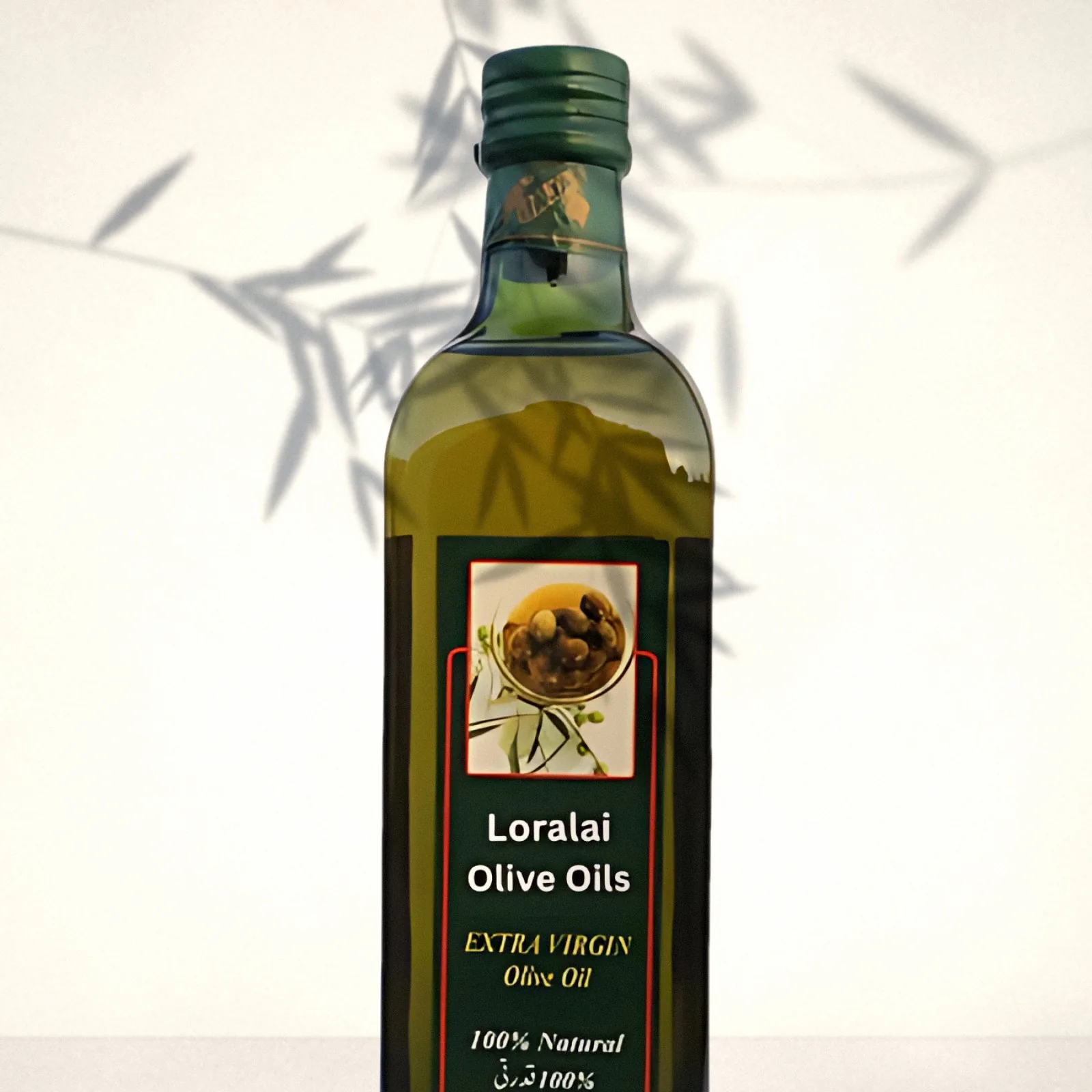
Extra virgin olive oil is the best choice because it is not refined or extracted with solvents. Many products sold as “olive hair oil” are made from pomace oil or blends with mineral oil and fragrance. A small 250 ml bottle of extra virgin olive oil will last for months of weekly treatments, and you can also cook with it.
Is olive oil good for hair? The honest answer
For softness, shine and less breakage, yes. It is one of the best oils for dry and thick hair. For hair growth, hair loss or dandruff, no oil is a treatment, and you should see a professional.
Frequently asked questions
Can I leave olive oil in my hair overnight?
Yes, if your scalp is not oily or flaky. Cover your pillow and shampoo twice in the morning.
How often should I put olive oil in my hair?
Once or twice a week is enough for most hair. Daily oiling can build up and make hair limp.
Does olive oil help hair grow?
There is no human evidence that it makes hair grow faster. It can reduce breakage, which helps hair keep its length.
Is extra virgin olive oil better for hair than regular olive oil?
Yes. Extra virgin is not refined and contains more of the natural compounds of the olive. Regular “olive oil” is mostly refined.
Olive oil or coconut oil for hair?
Coconut oil penetrates hair more and is better at reducing protein loss. Olive oil is heavier and better at sealing and smoothing very dry or curly hair. Many people mix the two.