
Free delivery · Pay on delivery

Author: Ijaz ul Haq

  • How to Store Olive Oil and How Long It Lasts After Opening

    How to Store Olive Oil and How Long It Lasts After Opening

    Quick answer: Store olive oil in a closed bottle in a cool, dark cupboard, away from the stove and sunlight, at normal room temperature. Do not keep it in the fridge. Unopened extra virgin olive oil is best within 18 to 24 months of harvest; once opened, use it within two to three months for the best taste.

    Olive oil is fresh fruit juice, not wine. It does not get better with age, and it slowly loses flavour from the day it is pressed. The good news is that a few simple habits keep a bottle tasting fresh for as long as possible.

    The three enemies: light, heat and air

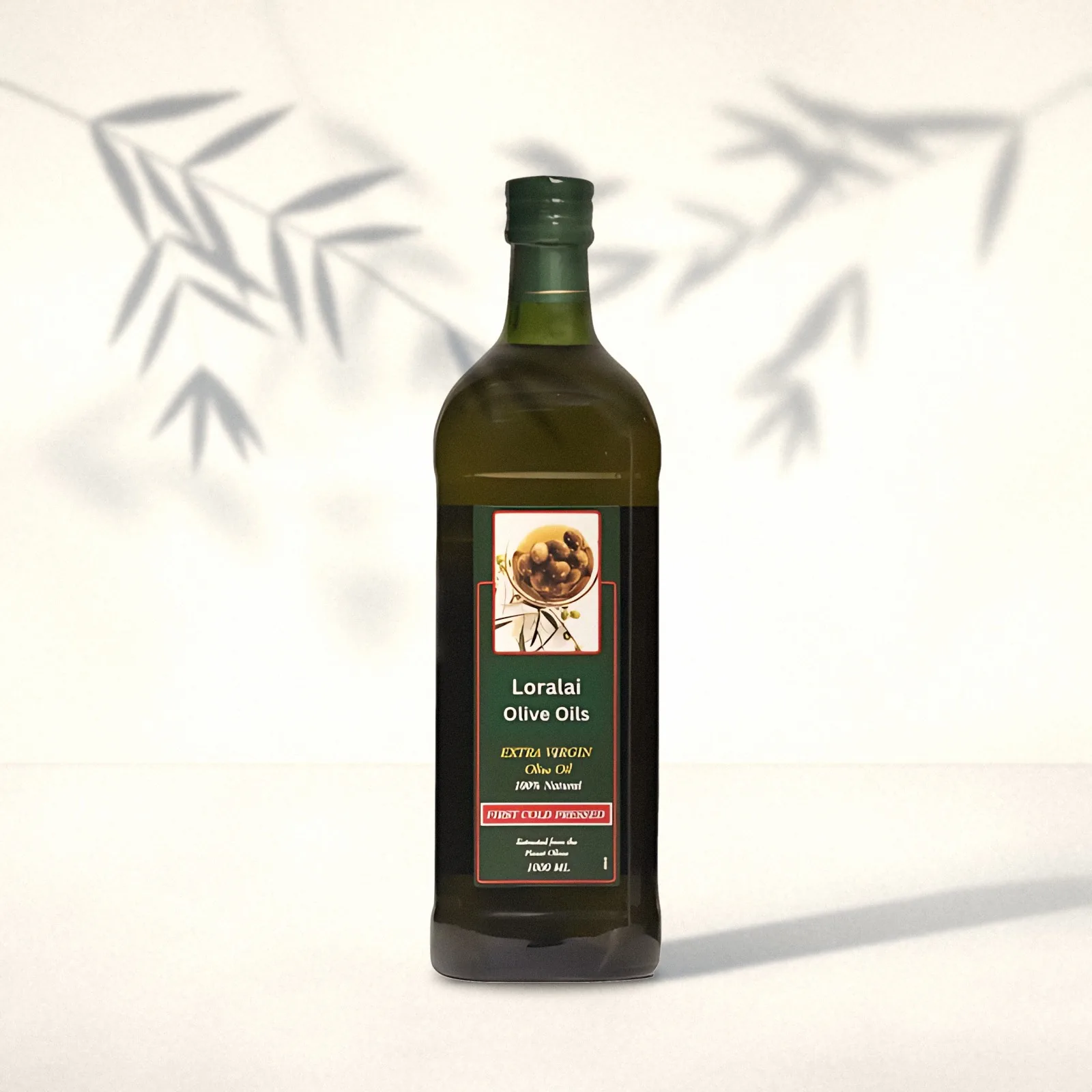
    • Light breaks down the natural compounds that give olive oil its colour, aroma and peppery taste. That is why good olive oil comes in dark glass or tins.
    • Heat speeds up every kind of spoiling. A shelf next to the stove or above the oven is the worst place in the kitchen.
    • Air causes oxidation, which makes oil rancid over time. The more empty space in the bottle, the faster this happens.

    Where to keep your bottle

    • In a cupboard or pantry, away from the stove, the oven and sunny windows.
    • At normal room temperature, ideally below about 25°C. In hot climates such as the Gulf or Pakistan in summer, choose the coolest cupboard in the house.
    • With the cap closed tightly after every use.
    • In its original dark bottle. If you like a small pourer by the stove, fill it with a few days’ worth at a time and keep the main bottle in the cupboard.

    Should you keep olive oil in the fridge?

    There is no need. Cold makes olive oil cloudy and thick, and it may partly turn solid. This does no harm, and it clears again at room temperature, but repeated cooling and warming is not ideal and moisture can form inside the bottle. A cool, dark cupboard is better.

    How long does olive oil last?

    Unopened: extra virgin olive oil is best within about 18 to 24 months of the harvest when it is stored well. Check the best-before date and, if the label has one, the harvest date.

    After opening: use it within about 2 to 3 months for the best flavour. It will not become unsafe after that, but the fresh, fruity and peppery notes fade as air gets in.

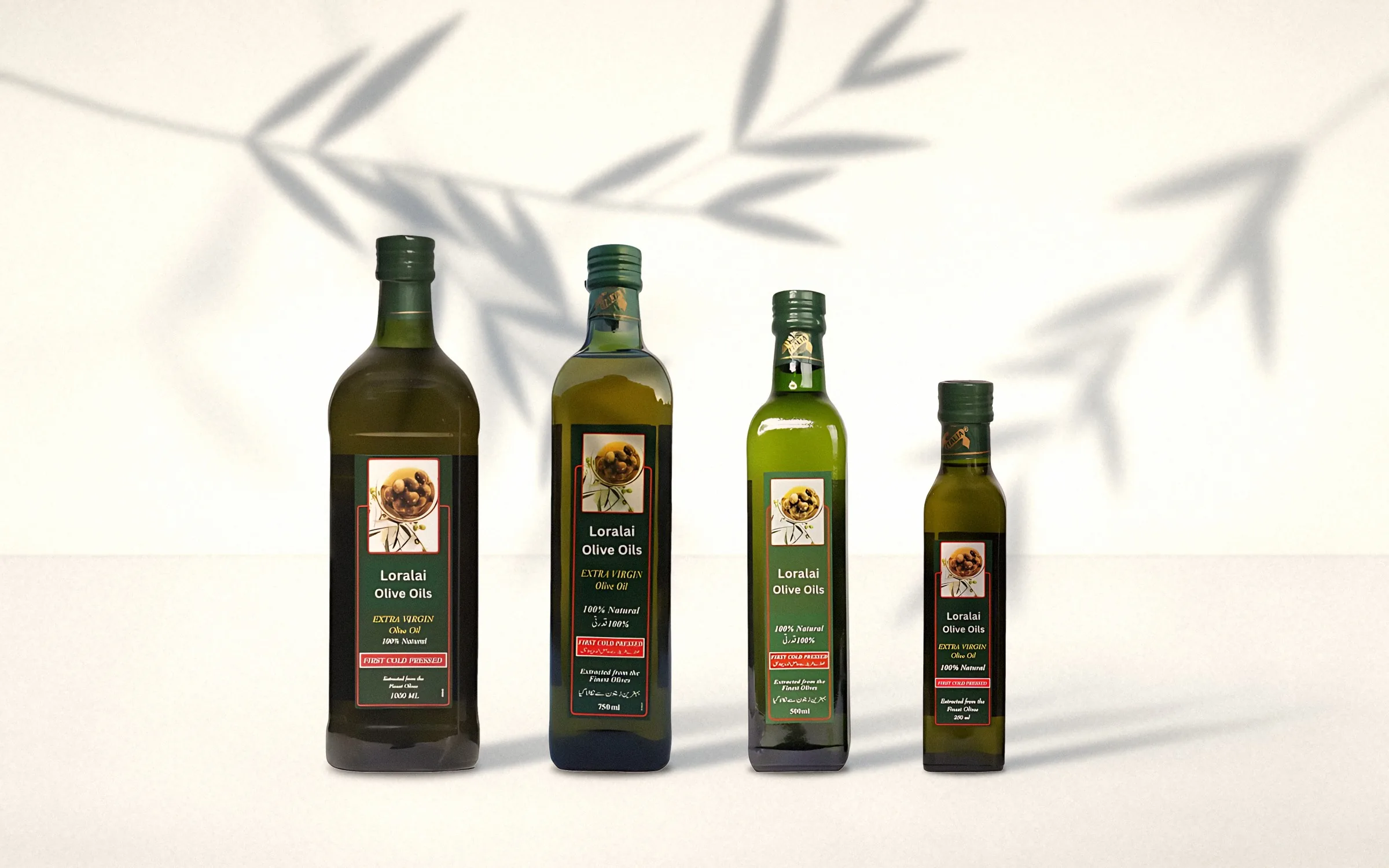
    This is why the right bottle size matters. If you use olive oil only now and then, a 250 ml or 500 ml bottle will stay fresher until the last drop. If you cook with it every day, a 1 litre bottle is better value and will be finished long before it fades.

    How to tell if olive oil has gone bad

    Pour a little into a spoon and smell it.

    • Fresh oil smells green and fruity, like cut grass, leaves or green apple.
    • Rancid oil smells like crayons, putty, old nuts or stale cooking fat, and tastes greasy.

    Rancid oil is not dangerous in small amounts, but it has lost its flavour and much of what makes extra virgin oil worth buying. Use it up for cleaning a cast iron pan, not for your salad.

    Tins and larger containers

    Metal tins protect oil from light completely, so they are a good choice for larger amounts such as 4 litres. Once a large tin is open, pour some into a smaller dark bottle for daily use and keep the tin closed in a cool place, so less air reaches the rest of the oil. Tins are also how we supply wholesale orders to restaurants and shops.

    Quick rules

    • Keep it dark, cool and closed.
    • Keep it away from the stove.
    • Buy a size you will finish within two or three months.
    • Trust your nose: fresh oil smells green, old oil smells like crayons.

    Frequently asked questions

    Does olive oil go bad?

    Yes, slowly. Light, heat and air make it rancid over time. It will smell like crayons or old nuts when it has gone off.

    How long does olive oil last after opening?

    About two to three months for the best flavour. It stays safe longer but loses its fresh taste.

    Should olive oil be kept in the fridge?

    No. A cool, dark cupboard is better. The fridge makes it cloudy and thick.
  • Can You Cook with Extra Virgin Olive Oil? Frying, Smoke Point and Everyday Uses

    Can You Cook with Extra Virgin Olive Oil? Frying, Smoke Point and Everyday Uses

    Quick answer: Yes, you can cook with extra virgin olive oil. Its smoke point is usually around 190 to 210 °C, above most home cooking temperatures, and it is more stable under heat than many seed oils because it is mostly monounsaturated fat with natural antioxidants. Use it for sautéing, roasting, baking, shallow frying and home deep frying at about 180 °C.

    Many people keep a good bottle of extra virgin olive oil only for salads and cook with something else. In fact, extra virgin olive oil is a good cooking oil for most everyday dishes. Here is what you need to know about heat, frying and flavour.

    What is the smoke point of extra virgin olive oil?

    The smoke point is the temperature at which an oil starts to give off visible smoke. For extra virgin olive oil, it is usually around 190 to 210°C, depending on the oil’s quality and freshness. Fresher oil with low acidity tends to have a higher smoke point.

    For comparison, most home cooking happens well below that:

    • Gently softening onions or garlic: about 100 to 120°C
    • Sautéing and stir-frying: about 160 to 190°C
    • Shallow frying: about 170 to 190°C

    So for sautéing, roasting and shallow frying, extra virgin olive oil works well.

    Smoke point is not the whole story

    How an oil behaves under heat also depends on how easily it breaks down. Extra virgin olive oil is mostly monounsaturated fat, which is fairly stable when heated, and it contains natural antioxidants that help protect it. Several laboratory studies have found that extra virgin olive oil holds up well during normal cooking compared with many seed oils with higher smoke points.

    Can you deep fry with it?

    You can. Many cooks in Spain and Greece fry in olive oil, keeping the temperature around 170 to 180°C. The main reason people avoid it for deep frying is cost, because deep frying needs a lot of oil. If you deep fry often or run a restaurant kitchen, buying in tins through our wholesale service makes more sense.

    Whatever oil you use, do not let it smoke, and do not reuse frying oil many times.

    Easy everyday uses

    Raw, to finish a dish. This is where the fresh, peppery flavour shines.

    • Over hummus, moutabal or labneh, with a pinch of za’atar or sumac.
    • On fattoush, tabbouleh or a simple cucumber, tomato and onion salad with lemon and salt.
    • Over grilled fish, chicken tikka or kebabs just before serving.
    • On warm bread, or brushed on roti and paratha.

    In everyday cooking.

    • Frying eggs or making an omelette.
    • Roasting potatoes and vegetables at 200°C.
    • Starting a curry or a sauce by softening onions, garlic and ginger.
    • Making a tadka for daal: warm the oil gently, add cumin seeds, garlic and dried chilli, then pour it over the daal. Use medium heat so the spices do not burn.

    In baking. Some cakes, breads and biscuits use olive oil instead of butter. A milder oil works best here.

    A simple three-ingredient dressing

    Mix three spoons of extra virgin olive oil, one spoon of lemon juice and a pinch of salt in a small jar. Close and shake. Pour it over any salad. Add crushed garlic, dried mint or a little honey if you like.

    Which bottle size for cooking?

    If you cook with olive oil every day, a 1 litre bottle or 750 ml bottle is the most practical choice. If you mostly use it raw, a 500 ml bottle stays fresh until the end. See how to store it so it keeps its flavour.

    Our extra virgin olive oil is pressed the same day the olives are picked in Loralai, Balochistan. Browse all sizes in our shop, with free delivery and cash on delivery.

    Frequently asked questions

    Is it safe to cook with extra virgin olive oil?

    Yes. At normal cooking temperatures it is one of the most stable oils.

    Can I use extra virgin olive oil for Pakistani cooking?

    Yes, for salan, karahi, daal tarka, sabzi and parathas. See best olive oil for cooking.

    Does cooking destroy the benefits of olive oil?

    Some of the delicate aroma and a part of the polyphenols are lost with heat, but much of the benefit remains, and cooked olive oil is still a healthier fat than ghee or butter.