Quick answer: Yes, Pakistan produces its own olive oil. Olives are grown mainly in Balochistan, especially around Loralai, on the Potohar plateau in Punjab, and in parts of Khyber Pakhtunkhwa. About 2.6 million olive plants in Balochistan have now entered production. Fresh Pakistani extra virgin olive oil, pressed the same day it is picked, can match good imported oil.
Most people think of Spain, Italy or Greece when they think of olive oil. Pakistan is a newer name on that list, but olive trees have been planted across the country’s dry hills for the past two decades, and a growing number of farms now press their own oil. If you have seen a bottle labelled “Product of Pakistan” and wondered whether it is worth trying, this guide explains where the olives grow, how the oil is made and what to look for on the label.
In this guide
Where olives grow in Pakistan
The olive tree likes hot, dry summers, cool winters and soil that drains well. Several parts of Pakistan have exactly that climate.
- Balochistan, especially the high valleys in the north-east of the province, such as Loralai. Summers are hot and dry, winters are cold, and rain is light. These conditions suit the olive and keep many pests away.
- The Potohar plateau in northern Punjab, around Chakwal and nearby districts, where large government-supported plantations were started.
- Parts of Khyber Pakhtunkhwa, where wild olive trees have always grown on the hills and many have been grafted with fruiting varieties.
Our own trees grow in Loralai. The valley sits high above sea level, and the difference between day and night temperatures during the growing season helps the fruit develop slowly.
How Pakistani olive oil is made
The process is the same as anywhere else in the world. What matters is how carefully it is done.
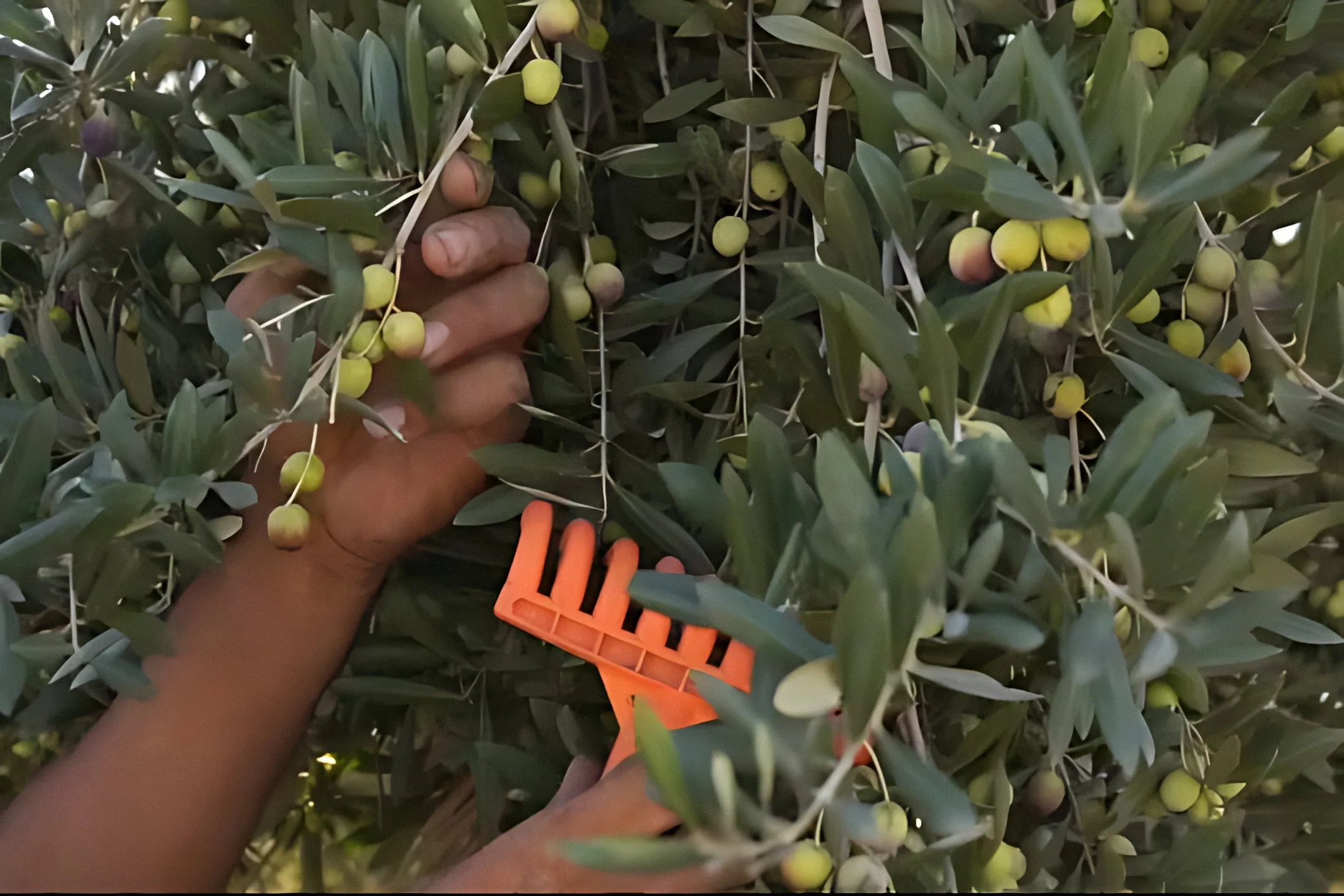
- Harvest. In Pakistan, olives are usually picked from September to October, as the fruit turns from green to purple. Early fruit gives a greener, more peppery oil. Later fruit gives a softer, rounder oil.
- Pressing. The olives are washed, crushed into a paste, slowly mixed, and the oil is separated in a centrifuge. Good producers press within hours of picking, because olives start to lose quality as soon as they come off the tree.
- Settling and bottling. The fresh oil rests so that fine particles sink, and is then bottled, ideally in dark glass or tins.
At Loralai Olive Oils we press on the same day we pick, and we do not add heat or chemicals at any stage. You can read more about this on our orchard page.
Is olive oil from Pakistan any good?
Quality depends on the farm, not the country. A careful farm in Pakistan can produce excellent extra virgin olive oil, and a careless farm anywhere can produce poor oil. When you judge a bottle, look at the same things you would look at for an Italian or Spanish brand:
- The grade. “Extra virgin” is the highest grade. “Pure”, “light” or plain “olive oil” usually means refined oil, often blended with a little virgin oil for colour and flavour.
- The origin. A single named place, such as one valley or one farm, is a good sign. Vague wording like “packed in” or “blend of oils from several countries” tells you very little.
- The harvest season. Fresh oil is better oil. If you can find out when the olives were picked, choose the most recent harvest.
- The container. Light damages olive oil, so dark glass or a tin is better than clear plastic.
- The taste. Good extra virgin olive oil smells fresh and green, tastes fruity, and often leaves a peppery feeling at the back of the throat. A flat, greasy or waxy taste is a warning sign.
For a fuller checklist, see our guide on how to tell if extra virgin olive oil is real.
What Loralai olive oil tastes like
Oil from our valley is usually bright and grassy, with a gentle bitterness and a peppery finish. It works well raw, poured over salads, hummus, labneh, grilled vegetables or warm bread, and it is also good for everyday cooking.
Buying Pakistani olive oil outside Pakistan
We sell directly from our own trees, so there is no middleman between the orchard and your kitchen. On our shop, prices appear in your own currency: Pakistani rupees, UAE dirhams, Saudi riyals, or US dollars elsewhere. Delivery is free, and you pay in cash when your order arrives.
If you buy for a restaurant, a grocery shop or your own label, we also supply larger quantities. Orders start at 30 litres. Send us a wholesale enquiry and we will reply with prices and delivery times.
Related guides
- The complete olive oil guide
- Best olive oil in Pakistan: buyer’s checklist
- Olive oil price in Pakistan
- How olive oil is made
- Olive oil meaning in Urdu
Frequently asked questions
Does Pakistan produce olive oil?
Yes. Balochistan, the Potohar region of Punjab and parts of Khyber Pakhtunkhwa all grow olives, and local mills press the oil.
Where is olive oil produced in Pakistan?
Mainly in Balochistan, with Loralai as a major centre, and in the Potohar plateau around Chakwal. Balochistan olives are reported to contain 18 to 22% oil.
Is Pakistani olive oil good?
The best Pakistani extra virgin oils are fresh and well made. Quality depends on the farm, so check the grade, origin and harvest date.