
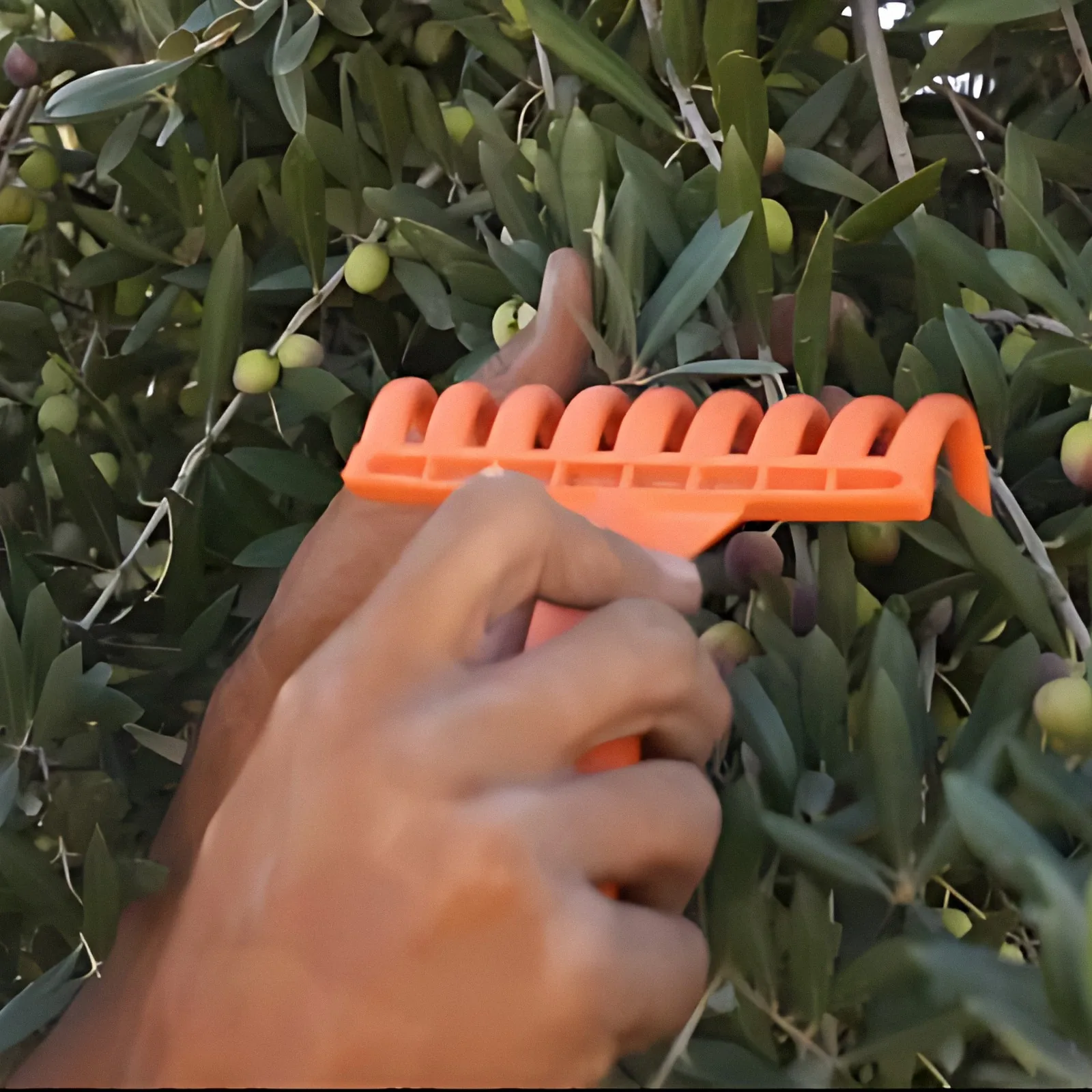
Quick answer: Olive oil is the oil pressed from the fruit of the olive tree. The best grade, extra virgin olive oil, is made only by crushing and pressing fresh olives, with no heat or chemicals, and must meet strict limits for acidity and taste. It is used for cooking, salads, hair and skin care, and it is one of the most studied fats in human nutrition.
We grow olives and press our own oil in Loralai, Balochistan. This page brings together everything we have learned and written about olive oil, from the tree to your kitchen. Each section gives you the short version and links to a longer article if you want the full detail.
In this guide
What is olive oil?
Olive oil is a fruit oil. The olive is a small stone fruit, and up to a fifth of a ripe olive can be oil. When the fruit is crushed into a paste and the paste is pressed or spun, that oil separates from the water and the solids. Nothing has to be added to get it out.
That is what makes olive oil different from most cooking oils. Sunflower, canola and soybean oil come from seeds and are usually extracted with solvents and then refined. Good olive oil is closer to a fresh fruit juice: it can be eaten exactly as it comes out of the press.
In Urdu, olive oil is zaitoon ka tel (زیتون کا تیل). We explain the Urdu names and their meaning in olive oil meaning in Urdu. For benefits, daily use and price explained in Roman Urdu, read zaitoon ka tel ke fayde aur istemal.
The grades of olive oil
Not every bottle labelled “olive oil” is the same product. The International Olive Council (IOC) sets the trade standard that most countries follow.
| Grade | How it is made | Free acidity limit | Best use |
|---|---|---|---|
| Extra virgin olive oil | Pressed from olives only, no heat or chemicals, no taste defects | 0.8% or less | Everything: salads, cooking, hair and skin |
| Virgin olive oil | Same process, small taste defects allowed | 2.0% or less | Cooking |
| Olive oil (also sold as “pure” or “classic”) | Refined olive oil blended with some virgin oil | 1.0% or less | General cooking |
| Extra light olive oil | Refined olive oil, very little virgin oil, light taste (not fewer calories) | 1.0% or less | Baking, frying |
| Olive pomace oil | Oil taken from the leftover paste with solvents, refined, then blended | 1.0% or less | High-volume frying, soap, massage |
The full explanation, including what “refined” really means, is in types of olive oil. If you see pomace oil at a low price, read pomace olive oil explained before you buy it.
How olive oil is made
Good olive oil takes eight simple steps: picking, washing, crushing, slow mixing, pressing, separating, settling and bottling. The skill is in doing them fast and keeping everything cool. Olives start to spoil as soon as they leave the tree, so the best producers press on the same day they pick. We walk through every step on our own farm in how olive oil is made.
“Cold pressed” and “extra virgin” are often used together, but they do not mean the same thing. See cold pressed vs extra virgin olive oil.
Cooking with olive oil
Extra virgin olive oil is more stable under heat than most people think. In a 2018 laboratory study that heated ten common oils for six hours at 180 °C, extra virgin olive oil produced the fewest harmful polar compounds. You can use it for everyday cooking, shallow frying, roasting and baking, and of course raw on salads.
- Which oil to use for which dish: best olive oil for cooking
- Recipes and techniques for Pakistani and international dishes: cooking with extra virgin olive oil
- Thirty everyday uses beyond the kitchen: olive oil uses
Health and nutrition
One tablespoon of olive oil has about 119 calories and 13.5 g of fat, most of it monounsaturated. Olive oil has no carbohydrates, no protein and no cholesterol. Full tables are in olive oil calories and nutrition.
Large studies link olive oil, especially extra virgin olive oil used in place of butter and other saturated fats, with a lower risk of heart disease. We summarise what the research does and does not show in olive oil benefits. The natural antioxidants behind the bitter, peppery taste of fresh oil are explained in olive oil polyphenols.
Olive oil for hair, skin and massage
Olive oil has been used on hair and skin in Pakistan, the Middle East and the Mediterranean for centuries. It works well as a pre-wash hair treatment and as a massage oil. For skin, the evidence is more mixed than most websites admit, especially for babies and people with eczema.
- Olive oil for hair: what it can and cannot do, and how to use it
- Olive oil for skin: who should use it and who should not
- Olive oil for massage: how to massage with it, and which grade to choose
How to buy good olive oil
- Choose extra virgin if you want the full taste and the natural antioxidants.
- Look for a harvest date. Olive oil is best within 18 months of harvest.
- Pick dark glass or a tin. Light damages olive oil.
- Check where it comes from. A single named origin is a good sign. “Blended from EU and non-EU oils” tells you little.
- Compare the price per litre, not the price per bottle.
Our buyer’s checklist for the Pakistani market is in best olive oil in Pakistan, and current prices are explained in olive oil price in Pakistan (for buyers in Dubai and Abu Dhabi, see olive oil price in UAE, and for Riyadh and Jeddah, best olive oil in Saudi Arabia). To test a bottle you already have, use how to tell if olive oil is real. To keep it fresh at home, read how to store olive oil. To judge freshness with your own nose and mouth, follow how to taste olive oil.
Olive oil from Pakistan
Pakistan now grows olives at scale, and Loralai in north-east Balochistan is the centre of it. Government and farmer plantings in Balochistan alone have passed 2.6 million olive plants. Read olive oil from Pakistan for the story, or visit our orchard to see where our own oil comes from.
Frequently asked questions
What is the healthiest type of olive oil?
Extra virgin olive oil. It is not refined, so it keeps the natural polyphenols and vitamin E that are lost when oil is refined. Most of the research on olive oil and heart health used extra virgin olive oil.
Can you cook Pakistani food with olive oil?
Yes. Extra virgin olive oil works for salan, daal tarka, sabzi, eggs and shallow frying. For deep frying large batches, a refined olive oil or pomace oil is cheaper. See best olive oil for cooking.
How long does olive oil last?
Unopened, around 18 months from harvest if kept cool and dark. Once opened, use it within two to three months for the best taste.
Is olive oil good for hair?
It can make dry hair softer and shinier and reduce breakage when used as a pre-wash treatment. It does not cure hair loss. See olive oil for hair.